Home / Environment / Zoo Antelopes Die from Rat Poison Exposure
Zoo Antelopes Die from Rat Poison Exposure
6 Jan
Summary
- Two chousingha died at Delhi zoo from phosphine poisoning.
- Rodenticides, including aluminium and zinc phosphide, were used on zoo premises.
- Samples tested positive for phosphine, indicating rodenticide exposure.
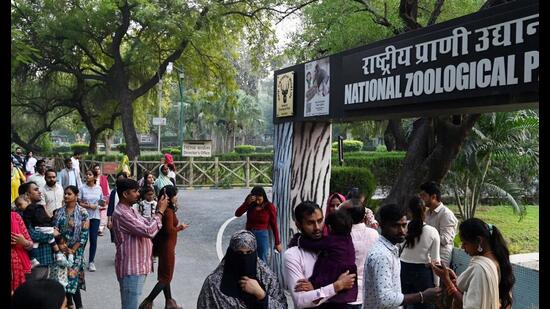
Two four-horned antelopes at the Delhi zoo have died due to suspected rodenticide poisoning. Toxicology reports from the Indian Veterinary Research Institute (IVRI) revealed the presence of phosphines in the animals' digestive tracts, indicating exposure to toxic rodenticides. This finding aligns with the use of aluminium and zinc phosphide for rat control within the zoo premises on December 2.
While the initial post-mortem examination could not ascertain the cause of death, the IVRI report, dated December 18, conclusively pointed towards rodenticide ingestion. Samples tested negative for other common pesticides and contaminants. Although the animals' feed was clear of insecticides, the possibility remains that they directly ingested the poison tablets used for pest management.
The deaths of these protected animals, occurring on December 11 and 12, have raised serious concerns about safety protocols at the zoo. The four-horned antelope is listed under Schedule I of the Indian Wildlife Protection Act. Zoo officials confirmed the use of rodenticides for pest control but declined to comment on the report.