
Home / Environment / Delhi's Water Buffer Thwarted by Ammonia Spike
Delhi's Water Buffer Thwarted by Ammonia Spike
21 May
Summary
- Ammonia levels exceeded 2.8ppm, impacting water treatment plants.
- Project to dredge Wazirabad barrage delayed until October.
- Pollution source traced to a breach in a Haryana check dam.
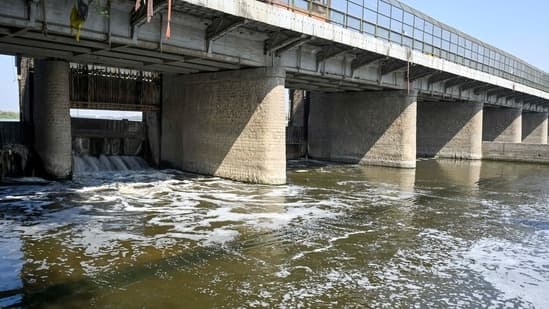
Delhi's water storage plans at the Wazirabad barrage have been set back by a significant ammonia contamination in the Yamuna River. The contamination led to a reduction in the city's water buffer reserves. Authorities reported that ammonia levels surged to over 2.8ppm approximately ten days prior to the report, impacting the capacity of the Wazirabad and Chandrawal water treatment plants. While normal supply was restored within two days, the episode necessitated flushing out contaminated water, diminishing the buffer.
The root cause of the pollution was identified as a breach in a minor check dam upstream in Haryana, allowing industrial effluents to mix with the raw water. This incident reignites a long-standing dispute between Delhi and Haryana regarding water pollution. Delhi Jal Board claims pollutants flow from industrial drains in Haryana, while Haryana denies leaking pollution sources.
Further exacerbating the situation, the project to dredge the Wazirabad pondage area, which has accumulated an estimated 363,000 cubic metres of silt over a decade, has been postponed. This essential work, aimed at restoring the barrage's base level, will now only commence after the monsoon season, pushing the revival of the pondage area, which has nearly halved its capacity, to October.
Meanwhile, Delhi, a water-stressed city reliant on neighboring states, is exploring other options to increase water storage. These include utilizing identified mine pits and floodplain sites, which could collectively hold significant volumes of water. However, experts caution that such contamination events will continue to force the flushing of polluted water, even with larger storage capacities, if upstream pollution sources are not addressed.
