Home / Environment / Delhi WTE Plants: Consent Valid, But Issues Linger
Delhi WTE Plants: Consent Valid, But Issues Linger
12 Feb
Summary
- Delhi's four waste-to-energy plants have valid operating consent.
- Three plants show minor non-compliances, with Okhla being fully compliant.
- Past fines and shutdowns highlight ongoing environmental challenges.
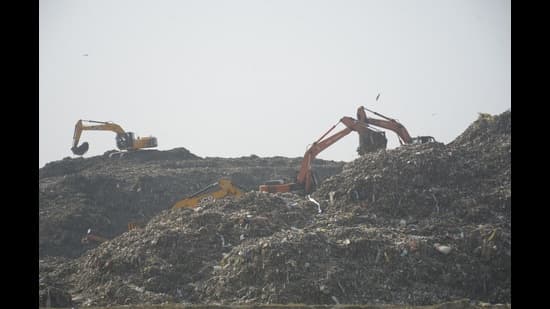
The Central Pollution Control Board (CPCB) has confirmed that all four of Delhi's waste-to-energy (WTE) plants possess valid operating consents. These approvals, issued under the Water Act and Air Act, along with authorization under the Solid Waste Management Rules, 2016, indicate that the facilities are permitted to function.
Each plant was reported to be meeting the critical minimum operating temperatures in the secondary combustion chamber. This parameter is crucial for ensuring complete combustion and limiting the generation of harmful by-products. The CPCB assessed statutory consents, combustion temperatures, stack emissions, and treated effluent quality.
While the Okhla WTE plant was found to be in full compliance with all examined norms, three other facilities presented minor issues. The Bawana plant exceeded limits for dioxin and furan emissions, and both Ghazipur and Tehkhand plants had non-compliant treated effluent from their leachate treatment systems, specifically regarding Total Dissolved Solids (TDS) and chlorine.
Past regulatory actions have targeted some of these plants. The Ghazipur WTE plant faced a shutdown for over seven months in 2022 for upgrades, and the Okhla plant was previously fined by the National Green Tribunal and the Delhi Pollution Control Committee for non-compliance, including high dioxin and furan levels.