Home / Environment / Delhi Chokes: Smog Worsens After Stubble Fires End
Delhi Chokes: Smog Worsens After Stubble Fires End
1 Jan
Summary
- PM2.5 levels in Delhi rose 30% in December after farm fires subsided.
- Local emissions, including vehicles, contribute significantly to pollution.
- Secondary particles formed from gases make up two-thirds of PM2.5.
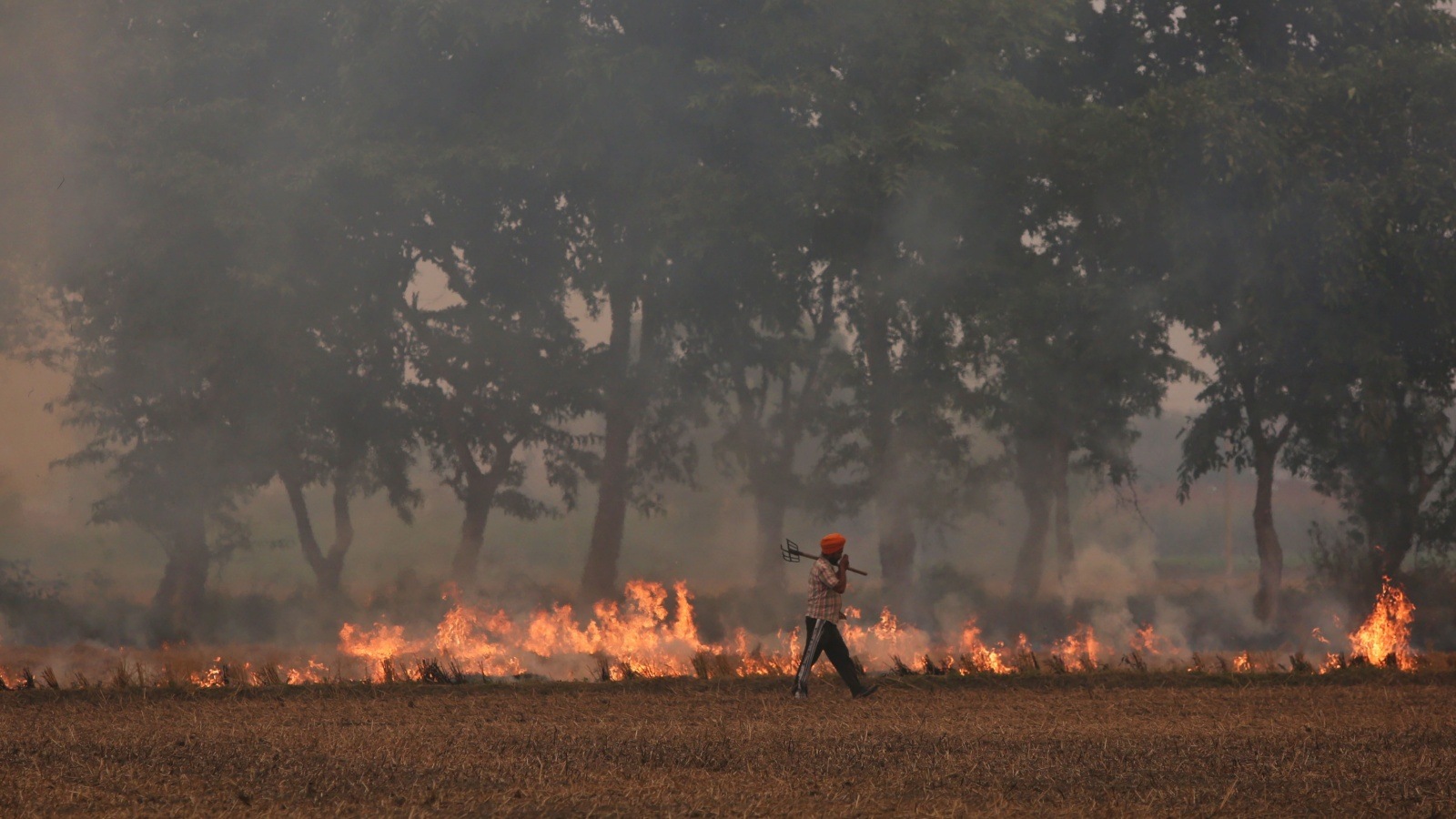
Delhi experienced a severe intensification of winter smog in December, with PM2.5 levels increasing by approximately 30% compared to months marked by stubble burning. This new analysis reveals that the city's toxic air persists even when farm fires subside, challenging common perceptions about pollution drivers.
The persistent "Very Poor" to "Severe" air quality, with daily PM2.5 concentrations fluctuating significantly, is attributed to a combination of local emissions and regional pollution. Within Delhi, vehicles alone account for a substantial portion of PM2.5, alongside contributions from industry, household fuels, and construction dust.
Furthermore, the formation of secondary particles through chemical reactions of precursor gases, along with aged aerosols transported from the wider region, forms nearly two-thirds of the PM2.5. This underscores the need for a comprehensive, year-round clean air strategy that addresses all pollution sources, including vehicle electrification, industrial cleaner fuels, and waste management.