Home / Environment / Delhi's Air: Toxic Cocktail Chokes Winter Despite Low Farm Fires
Delhi's Air: Toxic Cocktail Chokes Winter Despite Low Farm Fires
1 Dec, 2025
Summary
- Vehicles and local sources create a toxic cocktail of PM2.5, NO2, and CO.
- Delhi-NCR air quality remains poor, with rising pollution hotspots.
- Farm fires contributed minimally, yet air quality saw little improvement.
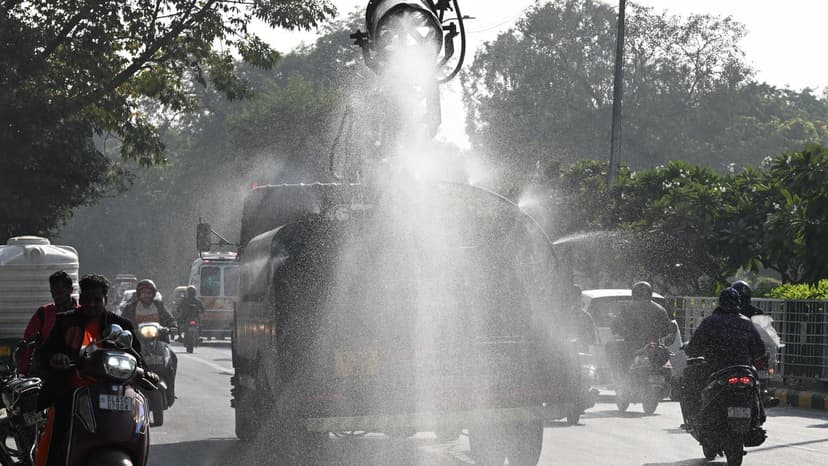
Even with a multi-year low in farm fires, Delhi-NCR's winter air remains severely polluted. For October and November, pollution levels hovered between 'very poor' and 'severe' due to a "toxic cocktail" of PM2.5, nitrogen dioxide (NO₂), and carbon monoxide (CO). These pollutants are mainly emitted from vehicles and other local sources, creating a concerning proliferation of pollution hotspots.
Analysis reveals that smaller NCR towns also experienced longer smog episodes, indicating the region increasingly functions as a single airshed. While the contribution of stubble burning dropped significantly, it did not improve daily air quality. PM2.5 remained the dominant pollutant on most days, underscoring the persistent impact of local sources like traffic, industry, and waste burning.
Researchers note that while peak pollution levels were lower than in previous winters, average pollution levels showed no meaningful improvement compared to a three-year baseline. Recommendations include deep structural measures like vehicle electrification, expanded public transport, parking caps, and cleaner industrial fuels to tackle emissions across sectors.