Home / Environment / Farm Waste Becomes Delhi's Roads
Farm Waste Becomes Delhi's Roads
8 Jan
Summary
- Bio-bitumen technology converts farm residue into road material.
- Technology transfer to 14 companies signals strong industry interest.
- Bio-bitumen roads match or outperform conventional ones.
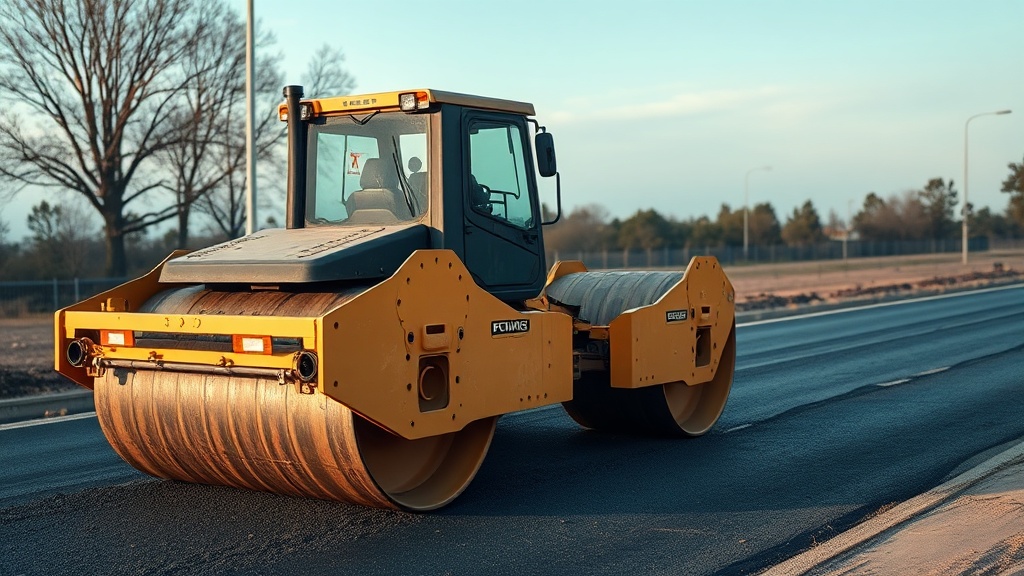
A groundbreaking bio-bitumen technology, developed by CSIR-CRRI scientists, is set to revolutionize road construction and tackle Delhi's air pollution crisis. This innovative process converts farm residue, such as rice straw, into a high-quality road material. The technology was recently transferred to 14 companies, marking a significant step towards commercial production and widespread adoption.
This new bio-bitumen technology offers a dual benefit: reducing stubble burning, a major cause of Delhi's winter smog, and providing a sustainable alternative to petroleum-based bitumen. Roads constructed with this material have demonstrated durability, withstanding harsh weather conditions and heavy traffic. Scientists claim these bio-bitumen roads meet, and in some cases exceed, the performance standards of conventional asphalt.
The successful development and transfer of this technology align with India's push for a circular economy and self-reliance. By utilizing agricultural waste, the nation can save foreign exchange and decrease its dependence on imported crude oil. This initiative is poised to transform a seasonal environmental challenge into a permanent, eco-friendly infrastructure solution.