Home / Environment / Delhi's Air: AI Maps Pollution's Hidden Origins
Delhi's Air: AI Maps Pollution's Hidden Origins
21 Dec
Summary
- Mobile lab reveals pollution varies greatly by Delhi neighborhood.
- AI models trained to pinpoint pollution sources using sensor data.
- Anand Vihar shows 56% organic matter, Dwarka dominated by secondary aerosols.
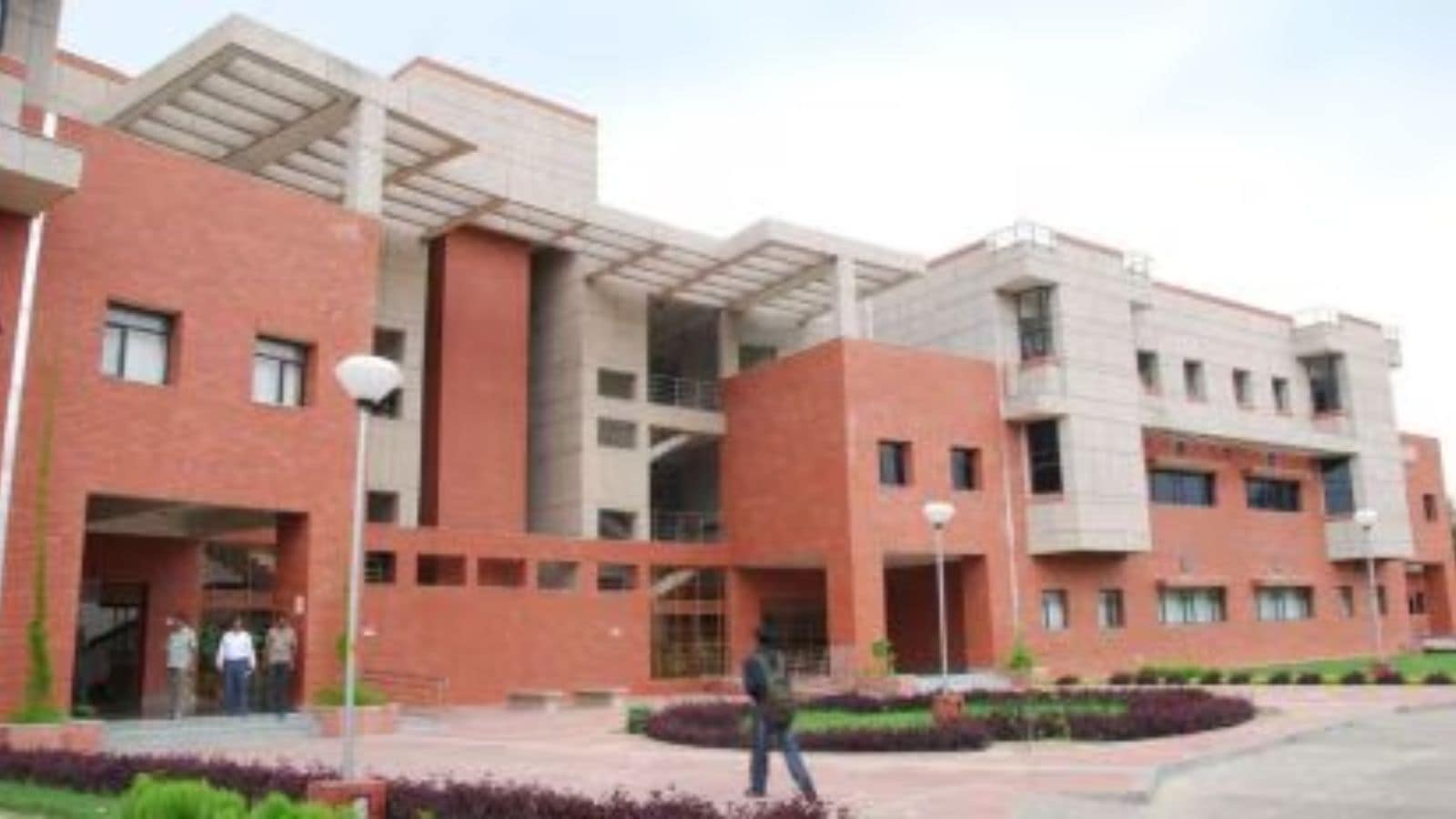
IIT-Kanpur researchers deployed a mobile atmospheric research laboratory in Delhi between May and June 2025 to precisely identify pollution sources. Parked at busy Anand Vihar and quieter Dwarka, the customized van collected high-resolution chemical data. This information feeds into artificial intelligence models designed to understand and address Delhi's complex air quality issues, moving beyond generalized city-wide statistics.
The mobile lab, equipped with advanced instruments, analyzed PM 2.5 concentrations, revealing significant differences between the two sites. Anand Vihar recorded higher pollution levels dominated by organic matter, road dust, and regional transport, whereas Dwarka showed a prevalence of secondary organic aerosols. This highlights that Delhi faces multiple, localized pollution problems varying by neighborhood and time.
By co-locating the advanced lab with low-cost sensors, researchers train AI models to interpret sensor data for real-time, hyper-local source apportionment. This strategy, previously successful in Lucknow, aims to provide the precision needed for effective pollution intervention, addressing critical gaps in current monitoring and policy enforcement.