Home / Environment / Delhi Boosts Sewage Treatment Capacity for Cleaner Yamuna
Delhi Boosts Sewage Treatment Capacity for Cleaner Yamuna
24 Mar
Summary
- Sewage treatment capacity increased from 742 MGD to 794.26 MGD.
- Projects aim for 964.5 MGD capacity by December 2026.
- Yamuna cleanup is a key priority with upgraded STPs.
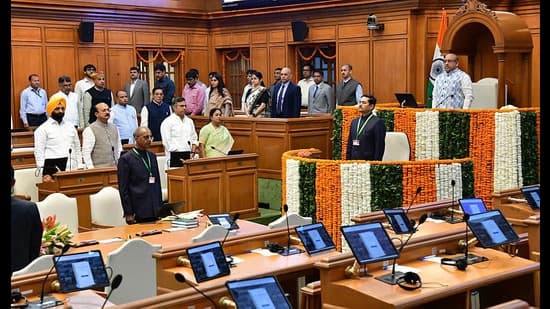
As of early 2025, Delhi's sewage treatment capacity has been augmented from 742 MGD to 794.26 MGD, with ambitious projects underway to further expand this to 964.5 MGD by December 2026. This expansion includes rehabilitating existing plants and constructing new facilities in areas like Delhi Gate and Sonia Vihar. The government anticipates this capacity will be sufficient to treat 924.8 MGD of sewage, addressing a significant portion of the city's water supply that returns as wastewater.
The upgrade of sewage treatment plants (STPs) is central to Delhi's efforts to clean the Yamuna River. The city operates 37 STPs across 20 locations, and many have been upgraded to meet pollution control board standards. New decentralized STPs are also being developed, with tenders completed for projects worth ₹2,400 crore and plans for additional STPs valued at ₹7,200 crore in progress.
Despite these advancements, challenges remain. Approximately 85 percent of STP utilization was noted as of March 31, 2025, attributed to issues like low sewage flow and incomplete sewer line connections. Furthermore, the flow of water released by Haryana at Hathanikund is often insufficient during lean seasons to meet the river's dilution and water quality requirements.
The pollution in the Yamuna is exacerbated by untreated sewage and industrial effluents from 22 drains flowing into it. While many drains have been tapped, large ones like Najafgarh and Shahdara present technical challenges for complete interception. The government is committed to achieving a BOD/TSS standard of 10/10 mg/l for all STPs by December 2026.