Home / Environment / Delhi to Treat 1500 MGD Yamuna Water by 2028
Delhi to Treat 1500 MGD Yamuna Water by 2028
22 Jan
Summary
- Delhi aims to raise sewage treatment to 1500 MGD by 2028.
- Drone surveys to map drains connected to Najafgarh and Shahdara.
- Coordination with Haryana and UP is crucial for Yamuna's cleanup.
The Delhi government has announced an ambitious plan to increase its overall sewage treatment capacity to 1,500 MGD by 2028, a critical measure to rejuvenate the Yamuna River. This significant enhancement in capacity is part of a broader strategy to ensure that untreated sewage is no longer discharged into the city's lifeline.
To achieve this goal, a comprehensive drone survey to identify drains connected to the Najafgarh and Shahdara drains will be completed by January 2026. The Delhi Jal Board will finish surveying the remaining drains by June 2026. Furthermore, all 1,799 unauthorized colonies are slated to be connected to the sewerage network by 2028.
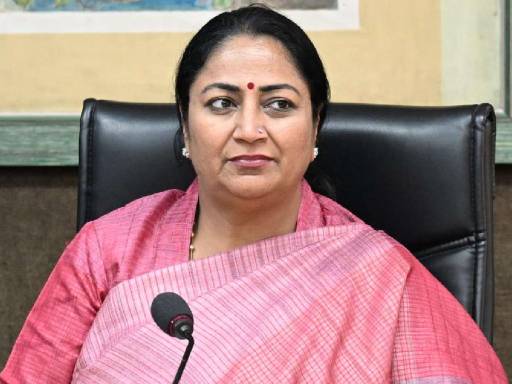
Chief Minister Rekha Gupta highlighted the essential role of cooperation with neighboring states, Haryana and Uttar Pradesh. She noted that drains from these states contribute a significant percentage of the total contaminated water entering Delhi's drains. Discussions with the chief ministers of Haryana and Uttar Pradesh are planned to address this transboundary pollution.
The current capacity of 814 MGD from 37 sewage treatment plants is sufficient for present needs. However, the 1,500 MGD target accounts for future demands. Improvements to existing plants by December 2027 will add 56 MGD, while 35 new decentralized plants will contribute 170 MGD. An additional 460 MGD capacity will be added through new plants near drains by December 2028.
The project also focuses on improving infrastructure in unauthorized colonies and JJ clusters. Sewer line work is progressing, with completion expected for many clusters and phased completion for all unauthorized colonies between December 2026 and December 2028. Additionally, the irrigation and flood control department has been directed to identify land for four bio-mining and processing plants to manage silt from roads and drains.