Home / Environment / Delhi Air Watch: 6 New Stations Boost Monitoring
Delhi Air Watch: 6 New Stations Boost Monitoring
28 Nov, 2025
Summary
- Six new air quality stations will increase Delhi's monitoring network to 46.
- New stations are strategically placed in greener, low-pollution academic and ridge areas.
- Monitoring will measure 10 pollutants and key meteorological parameters 24/7.
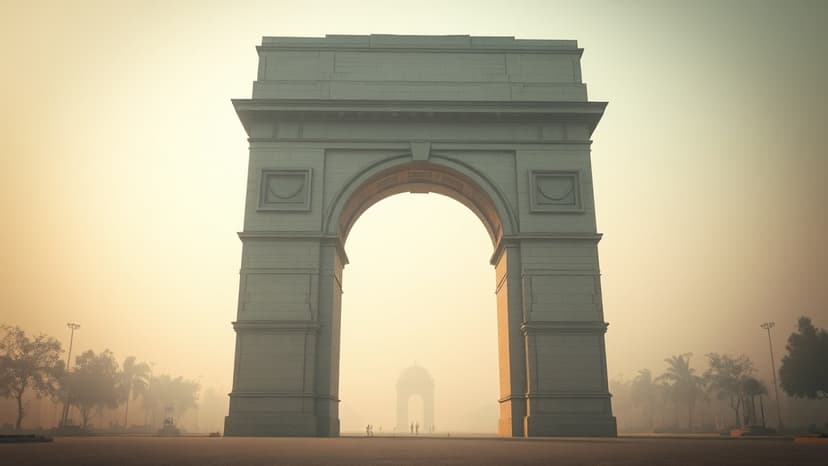
Delhi's air quality monitoring network is expanding with six new continuous ambient air quality monitoring stations (CAAQMS) set to be commissioned by January 15. This rollout will increase the Delhi Pollution Control Committee's stations from 24 to 30, and the city's overall network from 40 to 46. These new facilities are being established in relatively cleaner and greener areas, including academic campuses like JNU and IGNOU, and deep within the Central Ridge.
The new stations will be operated by a third-party vendor for 10 years, ensuring 24/7 operations, maintenance, and calibration. This strategic placement in low-pollution zones aims to provide a more detailed understanding of air quality across the capital. The expansion is a critical step towards making evidence-based decisions for achieving cleaner air in the long term.
These advanced stations will measure a comprehensive suite of pollutants, including PM2.5, PM10, SO2, NOx, CO, and ozone, alongside vital meteorological data such as wind speed, temperature, and humidity. Overcoming previous tendering issues, the project is now on track to bolster Delhi's environmental surveillance and contribute to public health initiatives.