Home / Environment / Delhi Airpocalypse: Families Flee Toxic Smog
Delhi Airpocalypse: Families Flee Toxic Smog
28 Nov
Summary
- Parents split families to protect children from Delhi's severe air pollution.
- Children's health and development are severely impacted by toxic air.
- Parent groups demand urgent government intervention to curb pollution crisis.
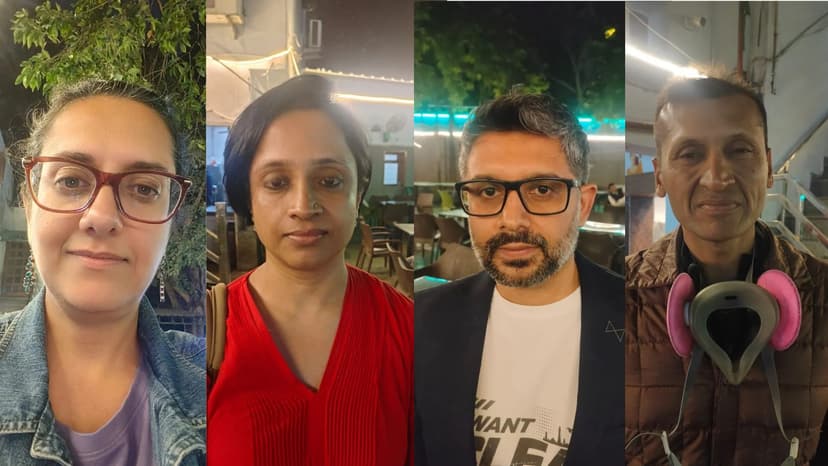
Families in Delhi are facing difficult trade-offs due to the city's persistent air pollution, leading to decisions like temporary relocation to protect children. This crisis is significantly impacting family dynamics, children's health, and overall childhood experiences, influencing residential choices.
A parent-led collective has voiced their anxieties and the compromises involved in raising children amidst polluted air. They are appealing directly to Prime Minister Narendra Modi, asserting that past government actions have been insufficient to resolve the pollution crisis. The group advocates for a year-round ban on all firecrackers and opposes the term 'green crackers'.
Parents describe a 'restricted childhood' for their children, unlike their own past experiences in the city. Efforts to minimize children's exposure are seen as an ongoing struggle, and the pollution's effects are noted to cross all socioeconomic boundaries. Concerns are raised about the long-term consequences for India's future if this issue isn't prioritized.
The crisis has led to severe health issues for some, including lung damage and asthma attacks, even affecting children during school activities. Schools reportedly lack basic emergency preparedness for such incidents. Beyond physical health, pollution also hinders cognitive development through school disruptions and limited outdoor activities, creating a 'claustrophobic' environment detrimental to children's mental and emotional well-being.
Some families, when financially able, have opted to spend winter months outside Delhi, like in Uttarakhand, to escape the toxic air. This decision involves significant personal guilt and underscores the difficulty of parenting in the capital. Others have faced family separation to ensure children's stability in less polluted environments.
The collective has proposed numerous solutions, including increasing non-polluting buses, converting diesel school buses, modernizing public transport, and conducting honest environmental impact assessments. They also advocate for a fundamental shift in national clean air policies, focusing on PM2.5 reduction and even suggesting population control measures for Delhi.


