feedzop-word-mark-logo
searchLogin
Feedzop
homeFor YouIndiaIndia
You
bookmarksYour BookmarkshashtagYour Topics
Trending
Terms of UsePrivacy PolicyAboutJobsPartner With Us

© 2026 Advergame Technologies Pvt. Ltd. ("ATPL"). Gamezop ® & Quizzop ® are registered trademarks of ATPL.

Gamezop is a plug-and-play gaming platform that any app or website can integrate to bring casual gaming for its users. Gamezop also operates Quizzop, a quizzing platform, that digital products can add as a trivia section.

Over 5,000 products from more than 70 countries have integrated Gamezop and Quizzop. These include Amazon, Samsung Internet, Snap, Tata Play, AccuWeather, Paytm, Gulf News, and Branch.

Games and trivia increase user engagement significantly within all kinds of apps and websites, besides opening a new stream of advertising revenue. Gamezop and Quizzop take 30 minutes to integrate and can be used for free: both by the products integrating them and end users

Increase ad revenue and engagement on your app / website with games, quizzes, astrology, and cricket content. Visit: business.gamezop.com

Property Code: 5571

Home / Environment / Delhi Air: Farmers Blamed, But Who's the Real Polluter?

Delhi Air: Farmers Blamed, But Who's the Real Polluter?

27 Dec, 2025

•

Summary

  • Vehicular emissions are Delhi's primary air pollution source.
  • The 'polluter pays' principle faces complexity with multiple pollution sources.
  • India's judiciary is increasingly adopting a 'government pays' approach.
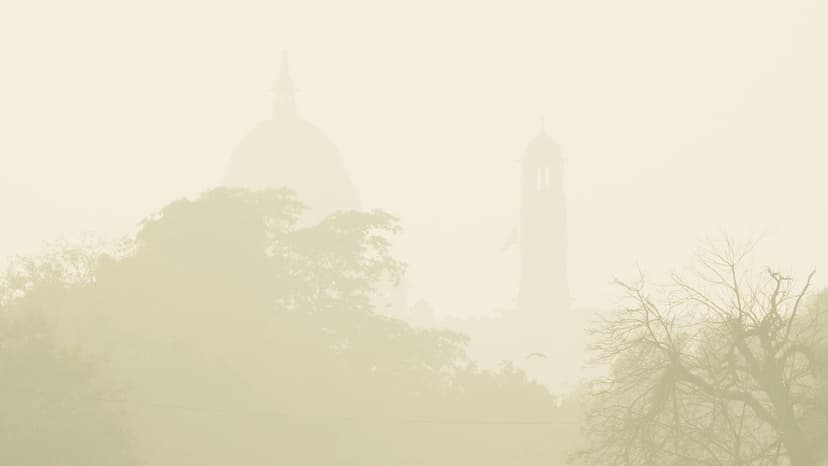
Delhi Air: Farmers Blamed, But Who's the Real Polluter?

Delhi's air quality crisis is primarily driven by vehicular emissions, contributing significant PM2.5 and toxic gases. Despite this, blame often unfairly falls on farmers in neighboring Punjab and Haryana for stubble burning. The universally acknowledged 'polluter pays' principle, which holds polluters responsible for environmental damage, proves difficult to implement effectively in situations with diverse and transboundary pollution sources.

The application of the 'polluter pays' principle is complicated by the presence of multiple point and non-point pollution sources, including those with transboundary effects. Legal precedents, like the Standley case, suggest that seasonal agricultural practices should not bear sole liability for pollutants from industrial sources. This highlights the need for cooperation among different entities rather than solely relying on individual accountability.

Indian courts, recognizing the limitations of the 'polluter pays' principle and the welfare needs of pollution victims, are increasingly leaning towards a 'government pays' approach. This shift places the onus on the government to monitor pollution and bear restoration costs, reflecting a move towards corrective justice and acknowledging that environmental duties of individuals are seldom emphasized.


Disclaimer: This story has been auto-aggregated and auto-summarised by a computer program. This story has not been edited or created by the Feedzop team.
Vehicular emissions are the primary source of air pollution in Delhi's National Capital Region.
The 'polluter pays' principle states that those who cause environmental damage must bear the costs of remediation.
India's judiciary is increasingly adopting a 'government pays' principle due to the complexity of attributing blame and the need for welfarism.

Read more news on

Environmentside-arrowPunjabside-arrowHaryanaside-arrow
trending

DSSSB PRT admit card 2026

trending

CTET admit card releasing soon

trending

Lizelle Lee in WPL Final

trending

Suzlon Energy Q3 results up

trending

Kaleem stars, Oman beats Sri Lanka

trending

realme P4 Power 5G launched

trending

RCB wins WPL match

trending

WPL 2026 RCB vs DC

trending

Savannah Guthrie pleads for mother

You may also like

Delhi Air Crisis: Pollution Peak Arrives Late, Relief Delayed

27 Jan • 55 reads

article image

Delhi to Treat 1500 MGD Yamuna Water by 2028

22 Jan • 120 reads

article image

Violence Against Healthcare Staff in Delhi Escalates

16 Jan • 127 reads

article image

Delhi Tackles Pollution: Misting, Metro, and Waste Overhaul

16 Jan • 120 reads

article image

Schools Mandate Newspapers: A Screen Time Cure?

3 Jan • 217 reads

article image