Home / Environment / Forests Vanish, Mosquitoes Seek Human Blood
Forests Vanish, Mosquitoes Seek Human Blood
15 Jan
Summary
- Deforestation reduces mosquito food sources, forcing them to bite humans.
- This shift increases the risk of diseases like Zika and dengue transmission.
- Mosquito blood meals are vital for female egg development and reproduction.
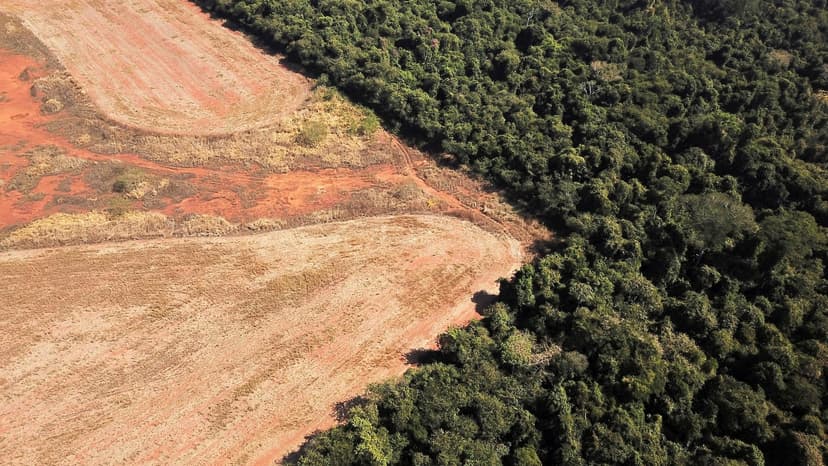
The reduction of forests and wildlife is directly impacting mosquito feeding habits, compelling them to seek human blood. This environmental change is a key factor in the escalating risk of diseases such as Zika, yellow fever, and dengue being transmitted to people. As natural habitats diminish, mosquitoes are finding it easier to prey on humans.
A study highlights that deforestation has drastically decreased plant and animal populations while increasing human presence in affected areas. This disturbance forces mosquitoes, which typically feed on other hosts, to adapt by targeting humans. Research in Brazil's Rio de Janeiro state found human blood in nine mosquito types in a region once part of the vast Atlantic Forest, now significantly reduced.
Mosquito-borne diseases represent over 17% of infectious diseases globally, causing hundreds of thousands of deaths annually. Female mosquitoes require blood for egg development, making them opportunistic feeders. While only a few species primarily prefer human blood, habitat manipulation can shift their feeding patterns, making human populations a more frequent target.