Home / Environment / Ocean Floor Biodiversity Collapses After Mining Test
Ocean Floor Biodiversity Collapses After Mining Test
11 Dec, 2025
Summary
- Deep sea mining tests reduced macrofauna by 37%.
- Species richness declined by 32% after test mining.
- India launched a Rs. 4077 crore Deep Ocean Mission.
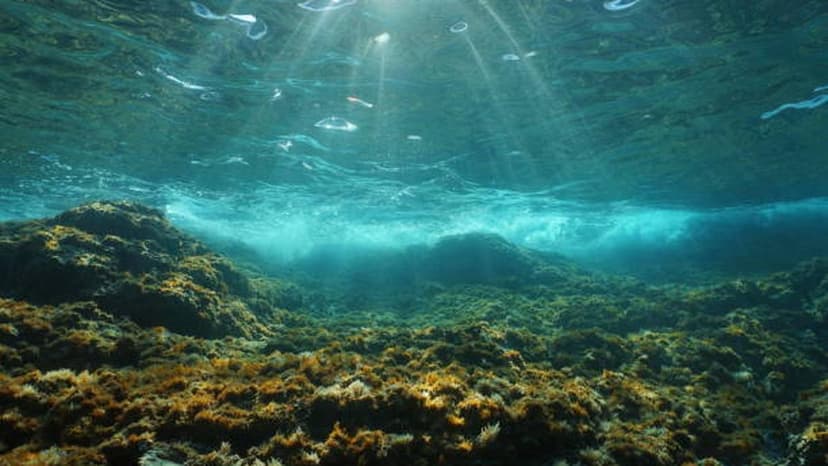
Industrial-scale deep-sea mining operations have been found to severely impact marine ecosystems. A recent large-scale test of commercial deep-sea machinery on the abyssal plain of the eastern Pacific Ocean, at a depth of 4,280 meters, resulted in significant biodiversity loss. Researchers documented a staggering 37% decrease in macrofauna density and a 32% reduction in species richness within the mined areas.
The extensive test, which recovered over 3,000 tonnes of polymetallic nodules, tracked over 80 km of the seafloor in the Clarion-Clipperton Zone, a vast area rich in valuable minerals. The study meticulously cataloged sediment-dwelling macrofauna over two years prior and two months following the mining operation, revealing substantial negative ecological responses.
These findings underscore the urgent need for rigorous assessment of deep-sea mining's ecological footprint. In parallel, India has launched a five-year "Deep Ocean Mission" with an approved budget of Rs. 4077.0 crore, aiming to explore ocean resources and develop related technologies for sustainable use.