
Home / Environment / Deadly Fungus Leaps to Long Island, Decimating Native Trees
Deadly Fungus Leaps to Long Island, Decimating Native Trees
28 Sep, 2025
Summary
- Laurel wilt disease, previously confined to the South, now confirmed in multiple Long Island towns
- Beetles transport the fungus, which kills trees within weeks, posing threat to local ecosystems
- Experts suspect infected firewood transported from southern states led to the outbreak
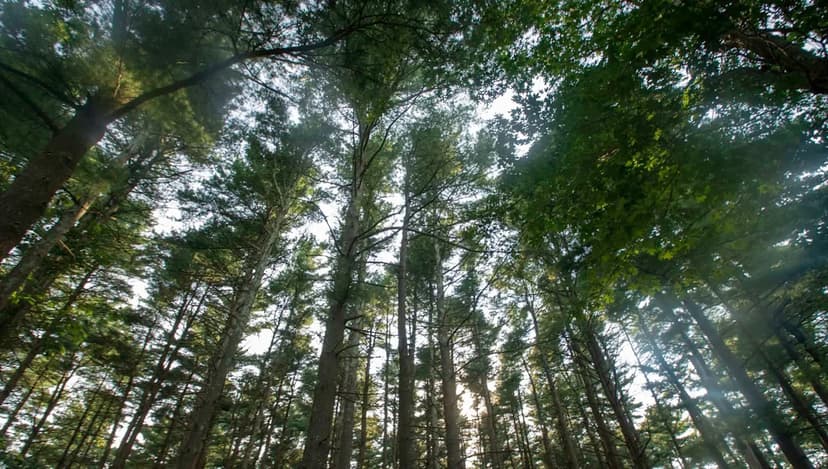
In a concerning development, a deadly fungal disease that decimates native trees has appeared outside the Southern United States for the first time. Laurel wilt, a disease that kills trees within weeks, has now been confirmed in multiple towns across Long Island, New York.
The disease targets specific tree varieties, including sassafras and spicebush, which are common in Long Island's forests. The fungus is transported by small beetles that measure just one-sixteenth of an inch, and it spreads rapidly through the tree's systems, causing the foliage to wilt before killing the entire plant.
Experts are shocked by the disease's sudden appearance in the region, as it had previously only been detected as far north as Kentucky and Virginia. Plant pathologist Margery Daughtrey of Cornell Cooperative Extension suspects the outbreak may have been caused by someone unknowingly transporting infected firewood from the South to Long Island.
The loss of these native trees could have far-reaching consequences for the local ecosystem. Sassafras and spicebush provide food and shelter for birds, mammals, and butterflies, and their disappearance could allow invasive species to take over, disrupting the natural habitats. Additionally, the dead trees pose hazards near homes and roads, and their removal can be costly for communities.
Residents are urged to be vigilant and report any signs of the disease, such as sawdust trails or wilting leaves on the affected trees. Strict measures are in place to prevent the further spread of the disease, including proper disposal of infected wood and logging discoveries with the state's species tracking program.
