Home / Environment / Elephants' Deadly Journey: Conservation's Tragic Turn
Elephants' Deadly Journey: Conservation's Tragic Turn
30 Jan
Summary
- Relocated elephants caused human deaths and crop destruction.
- Nearly half of moved elephants may have been killed.
- Drought exacerbates human-wildlife conflict over resources.
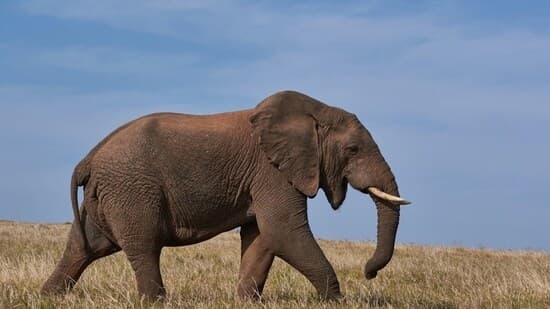
A conservation effort to manage elephant populations in Malawi has resulted in a tragic human-wildlife conflict, with dozens dead and vital crops destroyed. In 2022, 263 elephants were moved from Liwonde National Park to Kasungu National Park, tripling the population there. This relocation, intended to ease pressure on one park and bolster another, soon led to elephants crossing the border into Zambia.
These straying elephants trampled farmers to death and decimated crops, leading to retaliatory killings by farmers. It is estimated that nearly half of the relocated elephants have been killed, primarily by farmers defending their land. Conservation scientists warn that such large-scale relocations are inherently risky and require extensive local consultation.
The conflict is further aggravated by a prolonged drought affecting both Malawi and Zambia. This drought intensifies competition for scarce resources between humans and elephants, with millions in the region facing hunger due to failed crops and livestock starvation.