

Home / Environment / Daylight Saving's Wild Side: Animals on the Clock
Daylight Saving's Wild Side: Animals on the Clock
3 Apr
Summary
- Human time shifts disrupt animal circadian rhythms and nocturnal activities.
- Increased traffic and light pollution during time changes harm wildlife.
- Daylight saving could protect koalas by reducing car collisions.
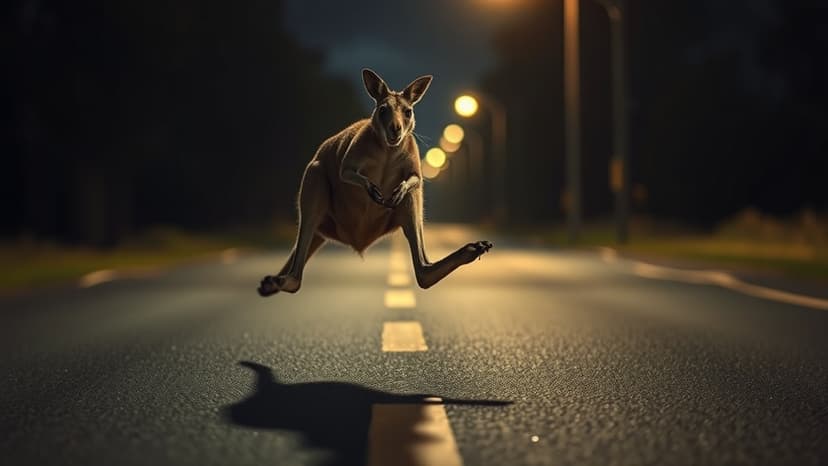
Human manipulation of time through daylight saving disrupts the natural circadian rhythms of various species. When clocks are adjusted, human activity periods unexpectedly overlap with when animals are most active, such as at dawn and dusk.
This overlap increases the danger for wildlife due to traffic, lights, and noise. Research indicates that artificial light at night, which intensifies as daylight saving ends, profoundly alters urban ecosystems, affecting everything from insect mating habits to bird song crucial for socialization.
Conversely, daylight saving could offer unexpected benefits. A 2016 study suggested that reintroducing daylight saving in Queensland might reduce koala fatalities by decreasing car accidents during twilight commute times. However, the start of daylight saving can negatively impact bird and insect mating choruses.
Even domestic pets are affected by these routine shifts. Dogs, for instance, can become unsettled by sudden changes in their feeding and walking schedules, though their primary response is to their human companions.
