Home / Environment / Nature Reclaims Czech Coal Mines Amid Water Crisis
Nature Reclaims Czech Coal Mines Amid Water Crisis
26 Aug
Summary
- Climate change impacts mine reclamation plans in Czechia.
- Artificial lakes require constant water, proving unsustainable.
- Ecological restoration is now favored over water-filled pits.
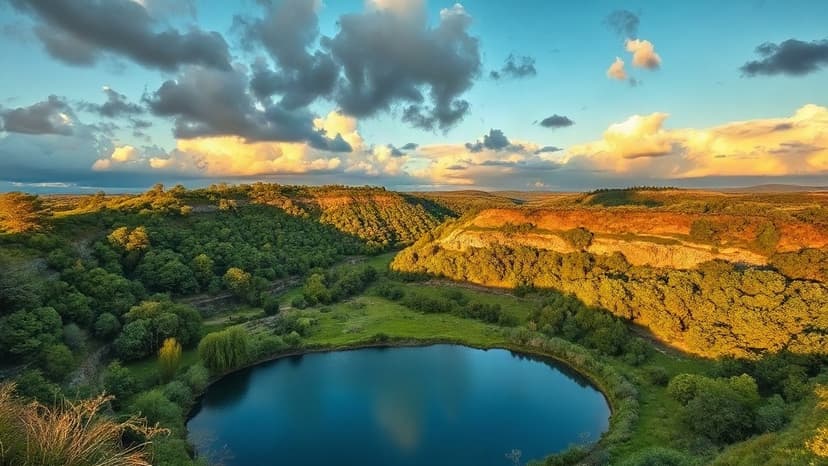
In Czechia, the reclamation of vast lignite mines faces new challenges driven by climate change. Once planned to become artificial lakes, these enormous mining pits are now subject to reconsideration due to reduced water availability and increased evaporation.
Lake Most, an example of a flooded mine, necessitates millions of Czech crowns annually for artificial water replenishment due to insufficient natural inflow. This highlights a growing concern: maintaining artificial lakes in a changing climate could cost hundreds of millions each year.
The Czech Ministry of the Environment is shifting towards ecological restoration, enabling nature to reclaim former mining areas. Mines like ČSA and Vršany are allowing parts of their landscapes to flood naturally, with water levels dictated by rainfall and groundwater.
Alternative uses for these former mines are also being explored, including photovoltaic power plants, industrial zones, and even pumped-storage hydropower. These plans combine economic development with areas for natural succession, a move applauded by conservation groups.
Some former pits, like Libouš in the Nástup-Tušimice mine, might be integrated into water management systems to increase overall water storage capacity. Others, such as Bílina, could potentially supplement river flow, though such projects face significant logistical and ownership hurdles.
Ultimately, Czechia's approach to former mines is evolving beyond simple water filling. Considerations now encompass water security, biodiversity, renewable energy, and reclamation economics, with natural flooding emerging as a viable, environmentally responsive alternative.


