Home / Environment / Cuba's Green Power Hope Amidst Sanctions
Cuba's Green Power Hope Amidst Sanctions
18 Feb
Summary
- Cuba is increasing renewable energy to 26% by 2035.
- US sanctions and Venezuela's halted oil shipments worsen power cuts.
- China is a key partner in Cuba's transition to solar and wind.
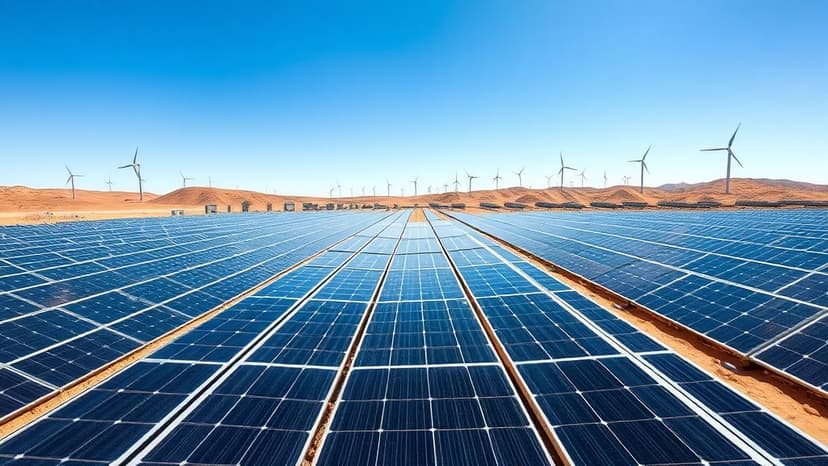
Cuba is intensifying its efforts to transition to renewable energy sources like solar and wind power. This strategic move aims to alleviate the country's severe economic crisis and its dependence on imported fossil fuels, particularly following the cessation of oil shipments from Venezuela under U.S. pressure. Extended power outages have become a reality for Cubans, with the eastern regions experiencing the worst effects. The government has committed to increasing the share of renewables in its total energy supply to 26% by 2035, a goal supported by significant investment and technical assistance from China.
Chinese partnership is crucial, with agreements to build numerous solar parks and contribute to wind farm projects. Despite these advancements, experts highlight substantial financial hurdles, estimating that the energy transition requires billions of dollars. Challenges also include modernizing Cuba's aging transmission infrastructure, which suffers significant electricity loss. Furthermore, the lack of battery storage capacity limits the effectiveness of solar power, as peak demand often occurs after sunset.
While renewable energy offers a promising path, its affordability remains a concern for many Cubans. The cost of solar panels is prohibitive for the average citizen, leading to a disparity where wealthier individuals and businesses benefit more readily. The government's strategy to integrate renewables is seen as essential for national stability, with China playing a vital role in preventing the country's collapse.
The development of renewable energy projects, such as the windfarm in Herradura and solar parks in Camagüey province, offers hope for easing energy shortages. However, the overall transformation of Cuba's energy system is a long-term endeavor, requiring substantial investment and overcoming infrastructural deficits. The full transition will necessitate upgrades to existing fossil fuel power plants alongside the expansion of renewables.