Home / Environment / Coyote Attacks Surge: Experts Debate Lethal Removal
Coyote Attacks Surge: Experts Debate Lethal Removal
21 Sep
Summary
- Coyotes have attacked 20 humans and 331 dogs in Toronto since 2019.
- Experts debate lethal removal versus coexistence strategies for coyotes.
- Human habituation and feeding are contributing to aggressive coyote behavior.
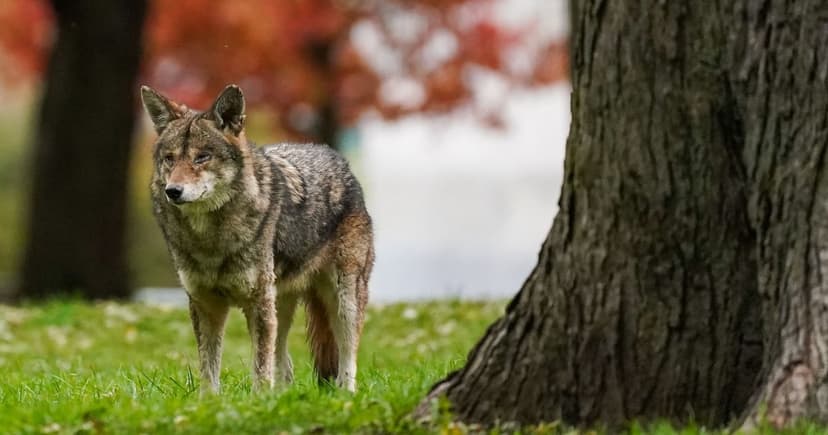
Violent coyote encounters in the Greater Toronto Area have escalated, prompting urgent discussions on municipal responses and wildlife coexistence. In recent months, several children in Whitby and Markham, Ontario, have been victims of coyote attacks, raising alarm among residents.
Data from Toronto reveals that between 2019 and June of this current year, coyotes were responsible for 20 injurious attacks on humans, including nine biting incidents. Additionally, 331 dogs were attacked or bitten by coyotes during the same period. These escalating incidents have led some experts, like Professor Dennis Murray, to suggest lethal removal as a necessary measure for coyotes exhibiting predatory or aggressive behavior towards humans or pets, especially when habituation to urban food sources is a factor.
Conversely, Toronto's official stance emphasizes a coexistence strategy, prioritizing public safety while acknowledging coyotes as an established part of the urban ecosystem. The city argues that long-term prevention, public education, and aversion tactics are more effective and less costly than removal. Cities like Whitby and Markham have reported euthanizing coyotes exhibiting abnormal behavior, though confirmation of their involvement in specific attacks varies.
Spatial ecologist Tiziana A. Gelmi Candusso suggests that lethal removal is a temporary fix, as coyote populations often replenish quickly. She advocates for changing human behaviors, such as avoiding feeding wildlife and keeping dogs leashed, as a more sustainable solution. Gelmi Candusso also posits that increased sightings and attacks may not signify an overpopulation but rather a failure of humans to adapt to coexisting with urban wildlife.


