Home / Environment / Ocean's Living Blanket: Cownose Rays Mystify
Ocean's Living Blanket: Cownose Rays Mystify
22 Feb
Summary
- Cownose rays are closely related to sharks, possessing unique snout electroreceptors.
- These rays undertake synchronized annual migrations in massive 'fevers' of thousands.
- Once blamed for shellfish decline, their status is now 'Vulnerable'.
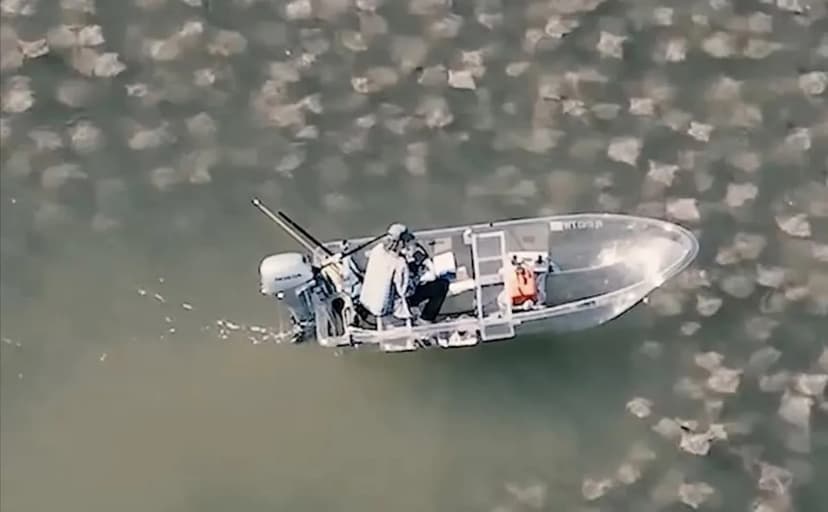
Cownose rays, closely related to sharks, undertake impressive annual migrations. These marine animals are characterized by meter-long wingspans and unique, bovine-like snouts that aid in detecting prey buried beneath the ocean floor. They feed primarily on clams, oysters, and snails, using their pectoral fins to uncover food.
These rays travel in vast, synchronized groups called 'fevers,' numbering in the thousands. Their annual migration takes them from cooler northern waters, such as the Chesapeake Bay, down to the Caribbean and Florida during late fall, returning north in the spring. While a 'fever' of cownose rays can appear intimidating, they pose little direct threat to humans, though their barbed tails can inflict painful stings.
Historically, cownose rays were wrongly blamed for dwindling shellfish populations, leading to campaigns encouraging their hunting. However, recent scientific studies indicate their populations are stable and they are not the primary cause of shellfish depletion. Despite this, their conservation status was updated to Vulnerable on the IUCN Red List in 2019, underscoring the importance of ongoing protection efforts for these misunderstood creatures.