Home / Environment / Sloth Bridges: Costa Rica's Novel Solution for Wildlife
Sloth Bridges: Costa Rica's Novel Solution for Wildlife
24 Nov
Summary
- Rope bridges help sloths cross fragmented forests divided by roads.
- Costa Rica reversed deforestation, but habitat fragmentation persists.
- Climate change adds new threats, requiring broader habitat restoration.
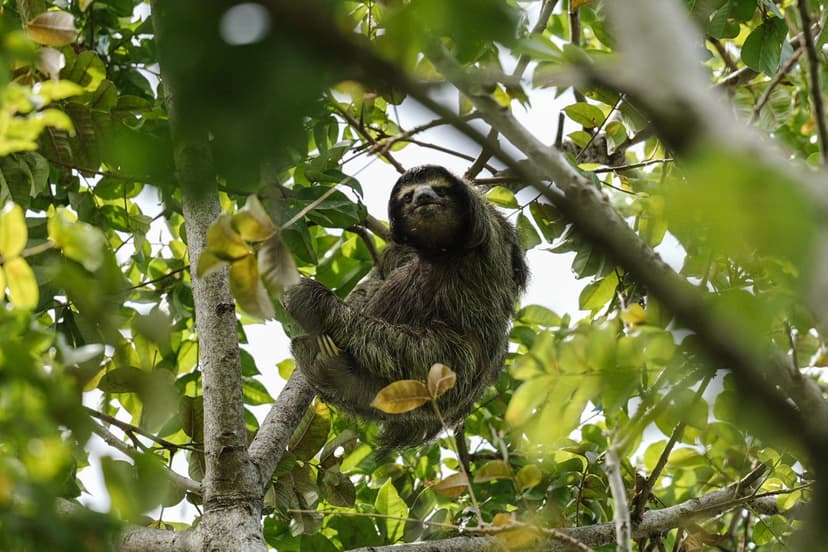
Conservationists in Costa Rica are installing approximately 410 rope bridges to aid sloths in navigating fragmented forests. These arboreal pathways, often spanning areas divided by roads and buildings, provide safe passage for sloths who cannot leap between trees. Once on the ground, sloths are vulnerable to traffic, dogs, and electrical hazards.
Costa Rica has impressively increased its forest cover from 21% in 1987 to 59% as of a 2023 report. However, development and tourism continue to fragment habitats, creating challenges like 'microfragmentation' where familiar sloth routes are disrupted. These bridges, initially simple ropes, have recorded over 22,000 wildlife crossings.
While rope bridges address specific obstacles, long-term solutions involve protecting existing forests and restoring biological corridors. Climate change poses additional threats, with rising temperatures and droughts impacting habitat quality. Conservation efforts are expanding to include planting trees for thermal refuge, recognizing that both connectivity and suitable microclimates are essential for sloth survival.


