Home / Environment / COP Diplomats Target Methane for Urgent Climate Action
COP Diplomats Target Methane for Urgent Climate Action
14 Nov
Summary
- Methane, a potent super pollutant, is being targeted at COP31.
- Addressing methane offers a quick way to slow climate change.
- A global pledge to tackle methane was agreed upon at COP26.
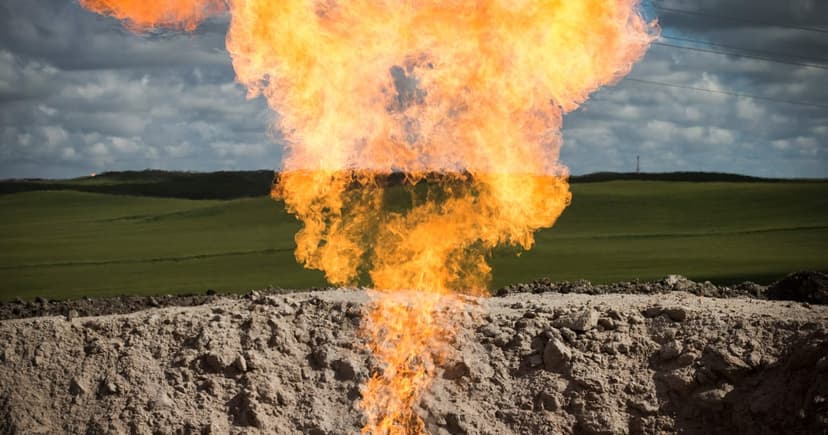
Delegates at COP31 are actively pursuing an agreement within the conference's final text to address methane, a powerful greenhouse gas. Climate scientists have issued urgent warnings that the world is on track to surpass the 1.5C warming limit set by the Paris Agreement, with current projections indicating a potential overshoot to 1.8C. Tackling "super pollutants" like methane is emerging as a critical strategy to mitigate this rapid temperature increase.
Methane, though shorter-lived in the atmosphere than carbon dioxide, is significantly more potent in trapping heat. Approximately one-third of methane emissions stem from oil and gas operations, presenting an opportunity for relatively swift reductions through measures such as plugging leaks. This has led to a push from countries like Barbados, the UK, and France to include binding commitments on methane in the COP's decision text, building on the voluntary pledge made at COP26.
Despite broad support for tackling methane, achieving a consensus in the final text is proving challenging. Some nations, including major polluters like China, Russia, and India, did not sign the COP26 pledge. The European Union faces an awkward situation as it plans to delay and weaken its own legislation on methane emissions from oil and gas, influenced by lobbying from fossil fuel companies and the United States.
However, nations most vulnerable to climate impacts, such as Barbados, emphasize methane's critical role. Prime Minister Mia Mottley described methane as "the fastest brake that we have" for slowing global warming. The urgency is underscored by a recent UN report confirming the likely breach of the 1.5C target, highlighting the necessity of immediate reductions in short-lived climate pollutants to curb the duration and severity of temperature overshoot.


