Home / Environment / Africa's Congo Forests Face Rising Fire Threat
Africa's Congo Forests Face Rising Fire Threat
18 Oct
Summary
- Tropical forests in Africa show a significant increase in fire activity.
- The Congo Basin remains a crucial carbon sink, vital for global climate regulation.
- Reduced foreign aid threatens scientific research and fire-fighting programs.
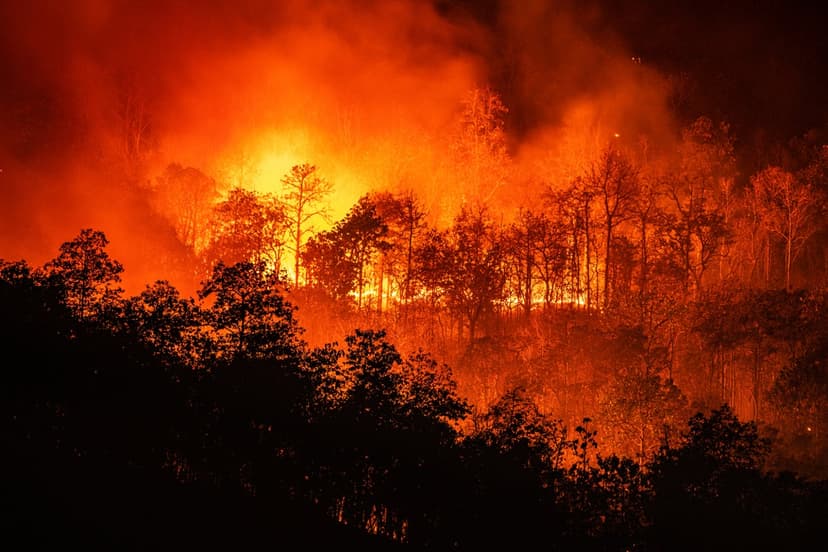
Fires are surging across Africa's tropical forests, creating urgent concerns for the Congo Basin's future. Newly compiled data indicates a worrying increase in fire activity across these regions, contrasting with its historical role as a significant carbon sink. This trend poses a substantial risk of the Congo Basin transitioning into a carbon source, releasing stored carbon and impacting global climate regulation.
This rise in fires occurs as a potent El Niño event raises fears of extreme weather through 2027. Concurrently, cuts in foreign aid from major countries have jeopardized funding for essential scientific research and vital fire-fighting programs. These factors combine to create a precarious situation for these critical ecosystems.
The Congo Rainforest Basin, the world's best-preserved major rainforest, plays a critical role in removing millions of tons of carbon dioxide annually. However, recent years have seen record highs in forest loss in countries like Cameroon and the Democratic Republic of the Congo (DRC).
Slash-and-burn agricultural practices, intensified by warming droughts, are a primary driver of these fires. While natural fires are rare, human activities coupled with climate change create hotter, drier conditions that enable fires to spread uncontrollably. Experts warn of a potential tipping point where rising temperatures and severe droughts could lead to widespread burning.
Furthermore, underfunding of scientific research and local expertise in fire risks leaves the Congo Basin dangerously understudied. This lack of attention and resources, compared to fires in the Amazon and Southeast Asia, hinders effective prevention and response strategies, risking immense human suffering, biodiversity loss, and significant carbon release.


