
Home / Environment / Compostable Bags: Do They Really Break Down?
Compostable Bags: Do They Really Break Down?
6 Jun
Summary
- A gardener's experiment showed a compostable bag slowly breaking down.
- Skepticism arose about microplastic presence even after decomposition.
- Disposal confusion exists due to varying composting standards.
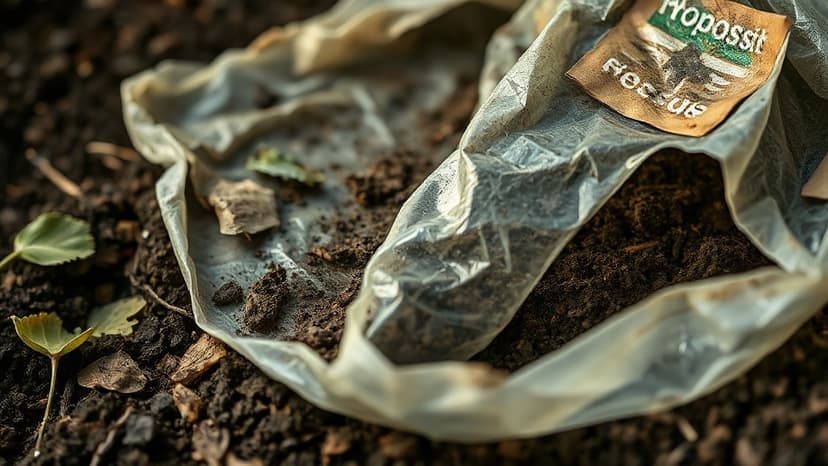
A recent home composting experiment involving a "compostable" produce bag from Trader Joe's has illuminated public confusion regarding product disposal. Documented over approximately three months in a backyard compost bin, the bag visibly degraded. However, this visual breakdown prompted online discussion about the true nature of "compostable" packaging.
Skepticism from viewers questioned whether the decomposition left behind microplastics, especially if the materials were plastic-based. While Trader Joe's reportedly uses plant-based materials, ensuring no petroleum-derived microplastics, the efficacy of compostable items is highly dependent on the composting environment.
Many compostable products, like certain coffee pods, are designed for commercial composting facilities with controlled conditions and higher temperatures. These items may not break down effectively in less rigorous backyard compost bins. This variability underscores a significant challenge for consumers navigating diverse municipal composting rules and product claims.
Ultimately, when processed correctly, compostable materials can significantly benefit the environment by diverting waste from landfills and creating nutrient-rich compost. This compost can then improve soil health and reduce the need for synthetic soil amendments in gardens and landscaping.
