
Home / Environment / Species Revival: Communities Fight Extinction
Species Revival: Communities Fight Extinction
31 May
Summary
- Community efforts are aiding species recovery globally.
- Mongolian horses and Bengal tigers show significant population increases.
- Indigenous women and local patrols combat poaching and habitat loss.
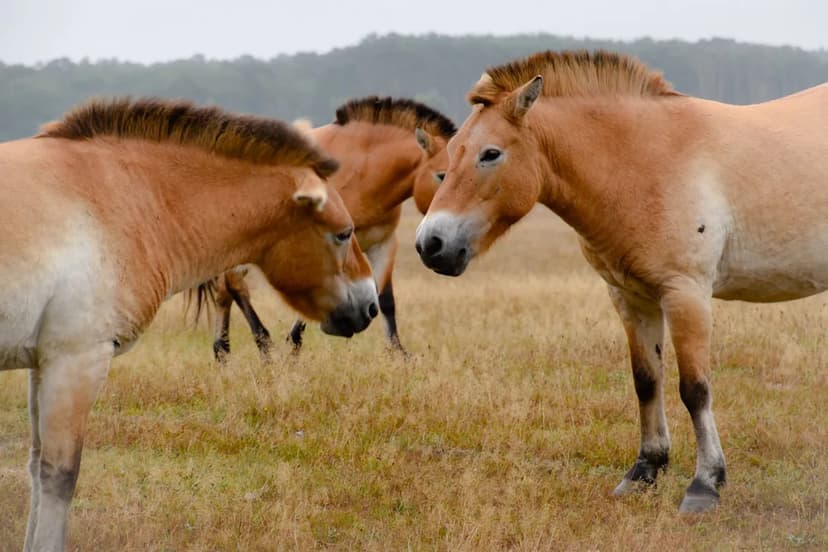
Community-based conservation projects are demonstrating remarkable success in reversing species decline worldwide. In Mongolia, Przewalski's horses, once extinct in the wild, now number over 1,000 by 2026 due to breeding and reintroduction programs. Similarly, Nepal has seen its Bengal tiger population surge from 121 in 2010 to 355 by 2022.
Across Asia, local communities are at the forefront of conservation. Indigenous women in Nepal are safeguarding pangolins, while in India's Kaziranga National Park, women-led patrols protect rhinos and assist residents during natural disasters. These efforts are crucial as a million species face extinction risks from habitat loss and climate change.
Marine conservation also benefits from local action. Coral gardening projects in Indonesia are restoring damaged reefs, and consumer campaigns in Venezuela aim to reduce the consumption of juvenile shark meat. These initiatives underscore the interconnectedness of ecosystem health, community well-being, and economic stability.
Effective conservation often merges scientific research, policy implementation, and local leadership. For instance, Amur leopard and tiger populations in Russia's Far East have been bolstered by camera monitoring, ranger patrols, and community education. Governments and NGOs are increasingly partnering directly with local populations, empowering them as key stakeholders in conservation efforts.
