Home / Environment / Fast Fashion's True Cost: Climate and Labor Exposed
Fast Fashion's True Cost: Climate and Labor Exposed
13 Feb
Summary
- Fashion industry is second-largest global carbon emitter.
- Fast fashion fuels exploitative labor and landfill waste.
- Second-hand shopping and repairs offer sustainable solutions.
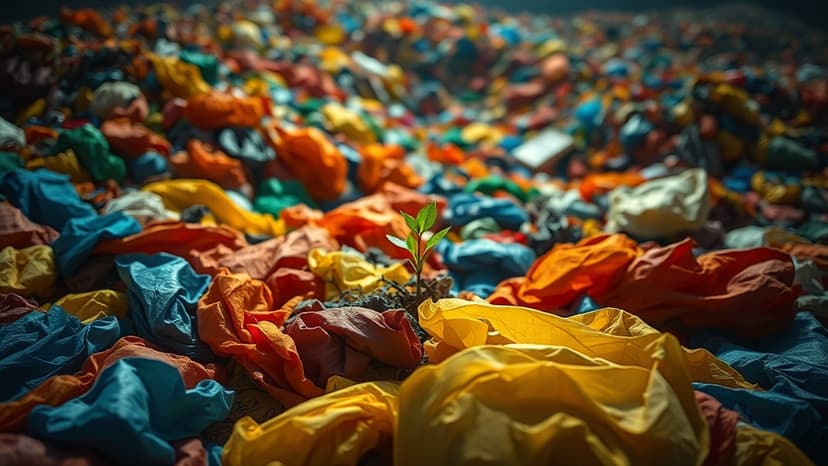
The fashion industry's substantial contribution to global carbon emissions, ranking second only to agriculture, necessitates a critical examination of consumer habits. Entrepreneur Josephine Philips, founder of SOJO, is urging a shift away from disposable clothing and a more conscious approach to purchasing. The conversation delves into the broader issues linked to fast fashion, including unethical labor practices and the overwhelming problem of landfill waste.
The rise of resale platforms and traditional charity shops signals a change in consumer behavior towards sustainability. Philips emphasizes that legislative measures can significantly bolster corporate accountability for product lifecycles. Practical steps for individuals to minimize their environmental footprint are also discussed, promoting repair and mindful consumption over constant new purchases.