Home / Environment / Colorado River Crisis: West Faces Water Scarcity
Colorado River Crisis: West Faces Water Scarcity
14 Jul
Summary
- Lake Mead is 27% full, Lake Powell is 23% full, threatening hydropower.
- Arizona, California, Nevada propose saving 1 million acre-feet by 2028.
- Agriculture uses 75% of water; reducing its footprint is crucial.
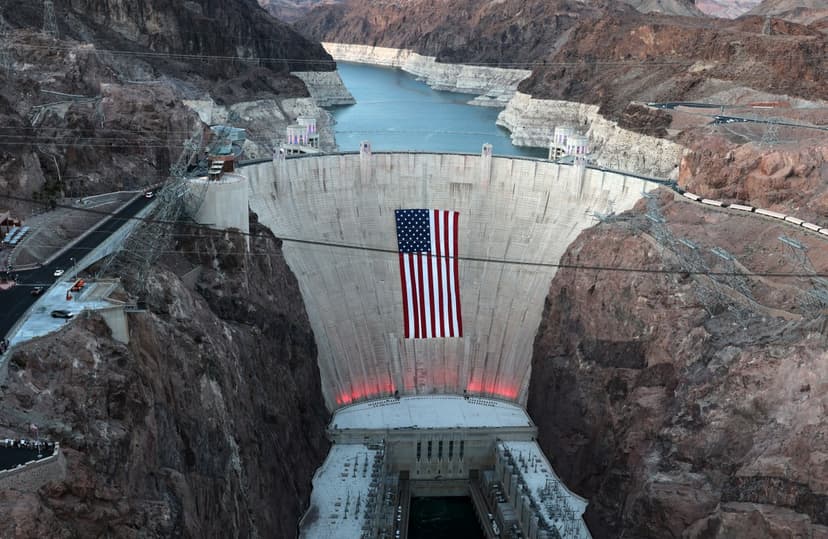
Water levels in Lake Mead and Lake Powell remain critically low, threatening the Colorado River system's stability and hydropower generation. As of July 2026, Lake Mead is only 27% full and Lake Powell is 23% full, far below historical averages.
Arizona, California, and Nevada have proposed a plan to conserve 1 million acre-feet of water through 2028, adding to existing reductions. This collective saving would be enough to supply over 25 million people annually.
Agriculture, accounting for approximately 75% of the river's water use, is a major focus. Experts advocate for significant reductions in the agricultural footprint, including shifting to less water-intensive crops and scaling down farming operations.
Innovative solutions are also being explored, such as diverting Lake Powell's water to Lake Mead, desalinated seawater exchanges, and increasing water recycling rates among states. Cloud seeding and groundwater extraction from the Mojave Desert are also under consideration.
These multifaceted approaches aim to address the severe supply-demand imbalance and secure the future of water resources for the American West.


