Home / Environment / US West Faces Water Collapse: Bold Desalination Plan Emerges
US West Faces Water Collapse: Bold Desalination Plan Emerges
15 Mar
Summary
- A $40 billion plan proposes eight desalination plants to solve water shortages.
- The Colorado River basin faces critical water shortfalls due to climate change.
- Experts debate the feasibility and environmental impact of the ambitious plan.
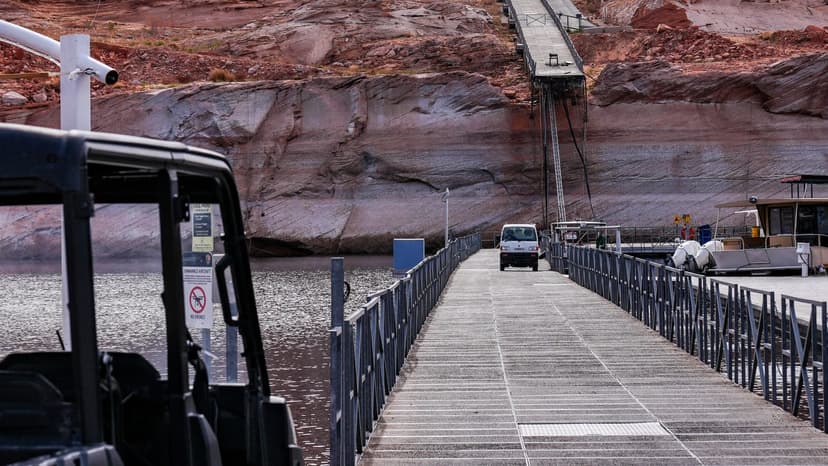
The Colorado River, a vital resource for seven western states for over a century, is facing an existential crisis due to escalating climate change and prolonged drought conditions.
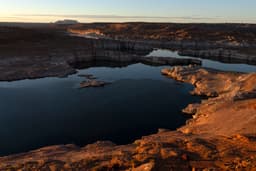
Lake Powell, the nation's second-largest reservoir fed by the Colorado River, has seen its water levels plummet significantly. Docks that once floated are now precariously perched on cliffs as the water recedes, starkly illustrating the severity of the situation.
In response, the BlueRibbon Coalition has put forth an ambitious $40 billion proposal. This plan involves constructing eight large-scale desalination plants off the California coast and in the Sea of Cortez. These facilities would convert ocean water into fresh water, potentially reducing the demand on the Colorado River basin.
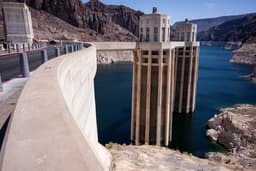
To meet the substantial energy requirements of these plants, powering them with nuclear reactors is being considered. This mirrors past federal infrastructure projects like the Hoover Dam, aiming for large-scale solutions.
However, the plan faces considerable skepticism. Critics argue that the $40 billion cost estimate is unrealistic, potentially escalating significantly once infrastructure for water transport inland and environmental mitigation are factored in. Concerns are also raised about the environmental impact of discharging the highly saline byproduct of desalination.
While some officials, like California Governor Gavin Newsom, acknowledge the need for advanced technologies such as desalination, the BlueRibbon plan's scale is unprecedented. Experts like Aaron Weiss from the Center for Western Priorities advocate for immediate conservation as a more practical and faster solution, given that the river is in crisis now and such a plan would take decades to implement.
Another proposed solution comes from the Glen Canyon Institute, which suggests removing or modifying the Glen Canyon Dam to allow more water to flow downstream, aiming to restore the river to a more natural state.