Home / Environment / Colorado Tackles Hidden Plastic Pollution in Waterways
Colorado Tackles Hidden Plastic Pollution in Waterways
26 Jan
Summary
- Bill aims to ban release of manufacturing plastic nurdles into rivers.
- Nurdles, mistaken for fish eggs, threaten aquatic life and human health.
- Colorado proposal could inspire similar legislation in other states.
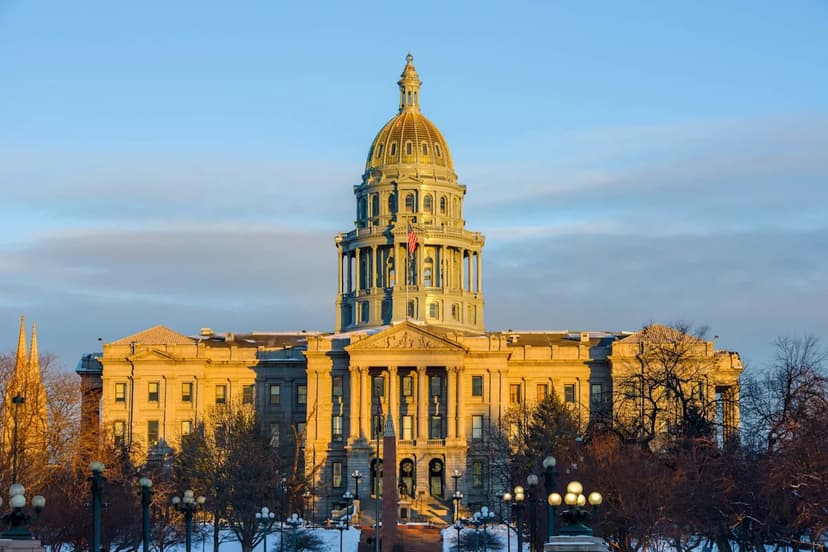
Colorado is poised to address a significant source of plastic pollution with proposed legislation. Senate Bill 26-016, introduced by Sen. Lisa Cutter and Rep. Lesley Smith, seeks to prohibit the release of nurdles, small manufacturing plastic pellets, into the state's waterways. This measure would also prevent the issuance of permits that allow such plastic contamination. Nurdles, about the size of a lentil, are the raw material for plastic goods and frequently enter the environment during production or transit.
The legislation aims to protect both wildlife and public health. Aquatic animals often ingest nurdles, mistaking them for fish eggs, leading to bioaccumulation of plastic and potential chemical exposure for humans who consume these fish. Furthermore, these plastics break down into microplastics that can infiltrate municipal water systems. Scientists have already detected microplastics in human tissues, highlighting the broad implications of this pollution.
This initiative could serve as a catalyst for national change, following California's lead as the only state with existing legislation on pellet contamination. Environment Colorado emphasizes the resemblance of nurdles to fish eggs and the potential for bioaccumulation. Lawmakers stress the importance of implementing extra precautions during the use and transport of these small plastic pellets to safeguard water resources, which have already shown plastic contamination in 100% of tested waterways.