Home / Environment / Colombia's Oil Spills: Pollution, Pirates, and Peril
Colombia's Oil Spills: Pollution, Pirates, and Peril
4 Mar
Summary
- San Silvestre wetlands flooded by oil pipeline leak in October.
- Pirate gangs steal gasoline, resorting to violence in waterways.
- Ecopetrol accused of hiding environmental negligence via leaked documents.
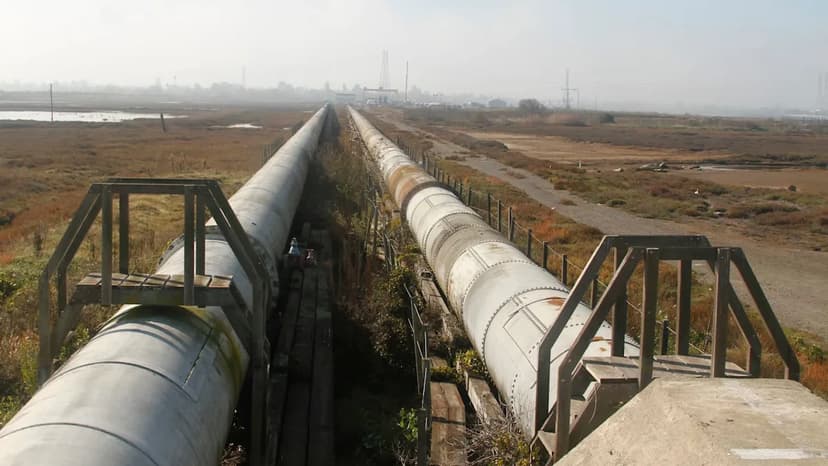
An oil pipeline leak in Colombia's San Silvestre wetlands during October has resulted in severe ecological damage. State-owned giant Ecopetrol, the pipeline's owner, has denied wrongdoing despite evidence suggesting it attempted to conceal its environmental negligence, as revealed by the "Iguana Papers" leak. This incident has led to the death of numerous fish and water buffalo, impacting the local community's food source.
The environmental crisis is exacerbated by violent pirate gangs who illegally tap pipelines to steal and sell gasoline. These groups use force to maintain control over their operations on local waterways. Activists have called for an investigation into Ecopetrol by the U.S. Securities and Exchange Commission due to alleged non-disclosure to American shareholders.
Beyond the immediate local devastation, oil spills globally contribute to methane emissions and air pollution, worsening climate change and leading to more destructive weather events. Individuals can reduce their oil consumption to lessen demand for harmful production systems, with options like switching to electric vehicles being a significant step.