Home / Environment / Coimbatore Tanks Choked by Microplastics
Coimbatore Tanks Choked by Microplastics
15 Feb
Summary
- Microplastic pollution poses ecological risks to Coimbatore's freshwater tanks.
- Study found high microplastic concentrations, especially near terrestrial zones.
- LLDPE microplastics were most numerous, showing toxic effects on fish.
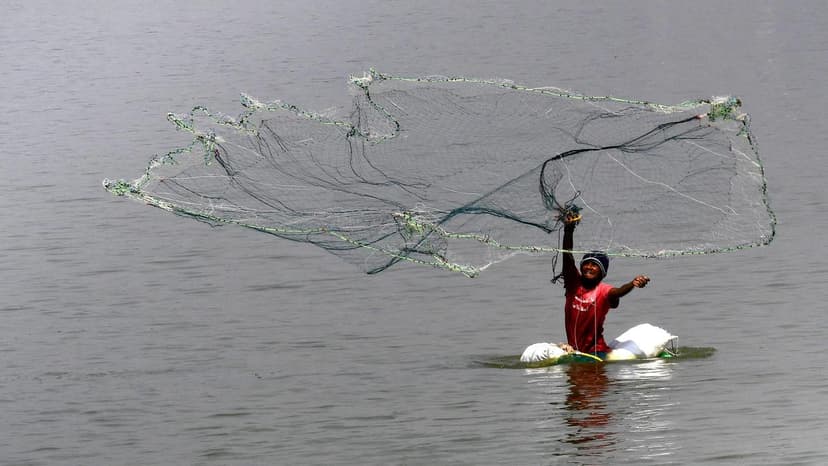
Microplastic pollution has been identified as a significant threat to five major tanks in Coimbatore city, according to a recent study. Researchers found high concentrations of microplastics, especially in tanks adjacent to land-based sources, due to factors like wind, rain, and direct waste disposal.
The study identified PE group, PET, and PP as the primary microplastic types, with LLDPE being the most prevalent. This specific type of microplastic has been shown in previous research to have adverse effects on fish growth and health.
Experts noted that urban runoff, wastewater, and activities like fishing contribute to the accumulation of microplastics. The presence of discarded fishing gear and overflowing waste bins further exacerbates the problem, with microplastics settling in tank sediments during drier periods.
Given the potential ecological risks and implications for human health, particularly through fish consumption, authorities are urged to implement measures to prevent further microplastic contamination of these water bodies.