Home / Environment / Conocarpus Trees Spark Health & Eco Fears in Coimbatore Lakes
Conocarpus Trees Spark Health & Eco Fears in Coimbatore Lakes
21 Nov, 2025
Summary
- Fast-growing Conocarpus trees' roots may harm wetland ecosystems.
- Pollen from Conocarpus trees linked to respiratory issues.
- Tamil Nadu government discourages Conocarpus near habitations.
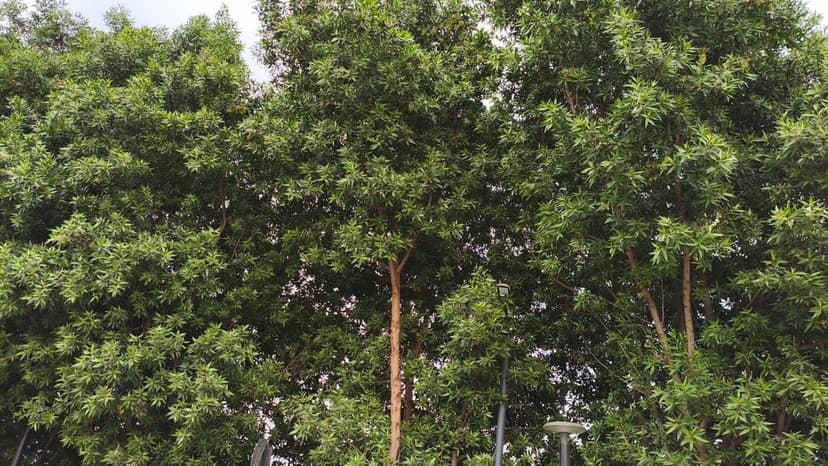
The recent planting of Conocarpus trees along the bunds of eight lakes redeveloped under Coimbatore's Smart Cities Mission has ignited apprehension among environmentalists. Independent researchers highlight that the extensive root system of this fast-growing, ornamental species could negatively impact wetland ecosystems by competing for groundwater and altering soil composition, displacing native flora crucial for water filtration and biodiversity.
Beyond ecological concerns, the species' flowering season releases significant amounts of pollen, which has been associated with respiratory ailments such as allergies and asthma in areas with large-scale Conocarpus cultivation. This poses a potential health risk to nearby residents and workers, prompting a reassessment of its suitability for urban landscaping near sensitive ecological zones.
While not officially classified as invasive, the Tamil Nadu government issued an order in January this year advising against Conocarpus planting near human settlements due to environmental and health factors. Coimbatore Corporation officials stated that while some exotic species were planted during earlier lake redevelopment, no new ones are currently being introduced along lake bunds and riverbeds.


