
Home / Environment / Coastal Homes Collapse as Climate Change Fuels Erosion on Outer Banks
Coastal Homes Collapse as Climate Change Fuels Erosion on Outer Banks
30 Sep, 2025
Summary
- Homes dramatically collapsing into the sea along North Carolina's Outer Banks
- Experts say climate change is accelerating natural shoreline erosion and sea level rise
- Residents struggle with property damage and lack of government support for relocation
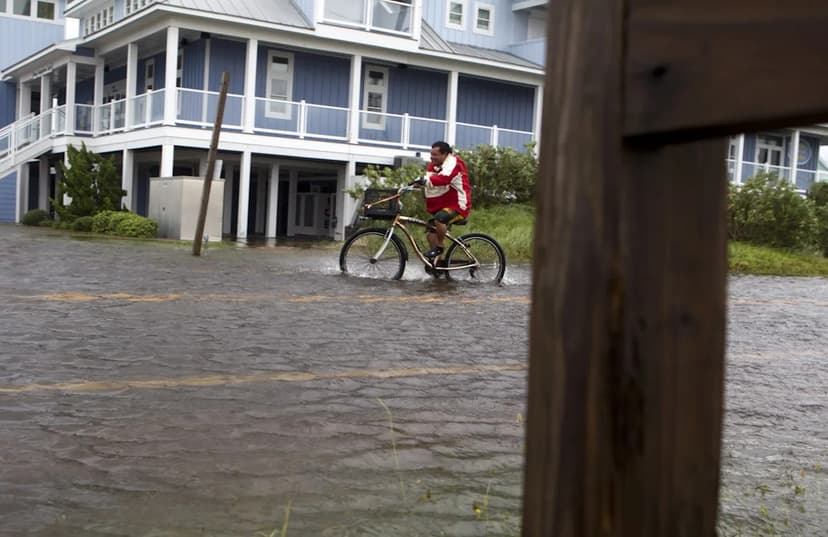
As of September 2025, the Outer Banks region of North Carolina has been grappling with a troubling phenomenon—the dramatic collapse of coastal homes into the sea. This stretch of barrier islands, known for its stunning Atlantic Ocean views, has become a focal point for the ongoing debate around the impact of climate change on coastal communities.
Experts say the primary driver behind these collapses is the chronic, long-term erosion of the shoreline, which has been exacerbated by rising sea levels and more frequent, intense storms. According to environmental economist Alyson Flynn, there is a high likelihood that additional homes will succumb to the sea during the next major storm to hit the region.
Beyond the immediate property damage, the situation has fueled online discussions about the role of climate change in these events. While some skeptics have dismissed the collapses as simply the natural consequence of unwise development, scientists emphasize that warming temperatures and sea level rise are significantly amplifying the natural processes of erosion and flooding that threaten coastal communities.
As the Outer Banks continues to grapple with this crisis, residents and local authorities are faced with difficult decisions about the future of development in these vulnerable areas. With limited government support for relocation efforts, some homeowners are left with the choice of either waiting for their properties to collapse or paying out of pocket to move their homes further inland. Ultimately, the fate of the Outer Banks serves as a sobering reminder of the mounting challenges that climate change poses for coastal regions around the world.
