feedzop-word-mark-logo
searchLogin
Feedzop
homeFor YouIndiaIndia
You
bookmarksYour BookmarkshashtagYour Topics
Trending
trending

India Mexico tariff hike

trending

Malayalam actor Akhil Viswanth dead

trending

Officers join Indian Army parade

trending

8th Pay Commission salary increase

trending

Noida Expressway speed limit reduced

trending

Nothing Phone 4a Pro: Leaks

trending

CUET PG 2026 registration

trending

Perth thunderstorm warning issued

trending

Skoda Slavia Facelift spotted testing

Terms of UsePrivacy PolicyAboutJobsPartner With Us

© 2025 Advergame Technologies Pvt. Ltd. ("ATPL"). Gamezop ® & Quizzop ® are registered trademarks of ATPL.

Gamezop is a plug-and-play gaming platform that any app or website can integrate to bring casual gaming for its users. Gamezop also operates Quizzop, a quizzing platform, that digital products can add as a trivia section.

Over 5,000 products from more than 70 countries have integrated Gamezop and Quizzop. These include Amazon, Samsung Internet, Snap, Tata Play, AccuWeather, Paytm, Gulf News, and Branch.

Games and trivia increase user engagement significantly within all kinds of apps and websites, besides opening a new stream of advertising revenue. Gamezop and Quizzop take 30 minutes to integrate and can be used for free: both by the products integrating them and end users

Increase ad revenue and engagement on your app / website with games, quizzes, astrology, and cricket content. Visit: business.gamezop.com

Property Code: 5571

Home / Environment / Earth's Climate Tipping Points: A Dire Warning

Earth's Climate Tipping Points: A Dire Warning

19 Nov

•

Summary

  • Scientists warn global warming exceeding 1.5°C may trigger irreversible climate tipping points.
  • Coral reefs face extinction, ice sheets may collapse, and permafrost thaw releasing more emissions.
  • Global emissions must be halved by 2035 to avoid the worst, returning temperatures to lower levels.
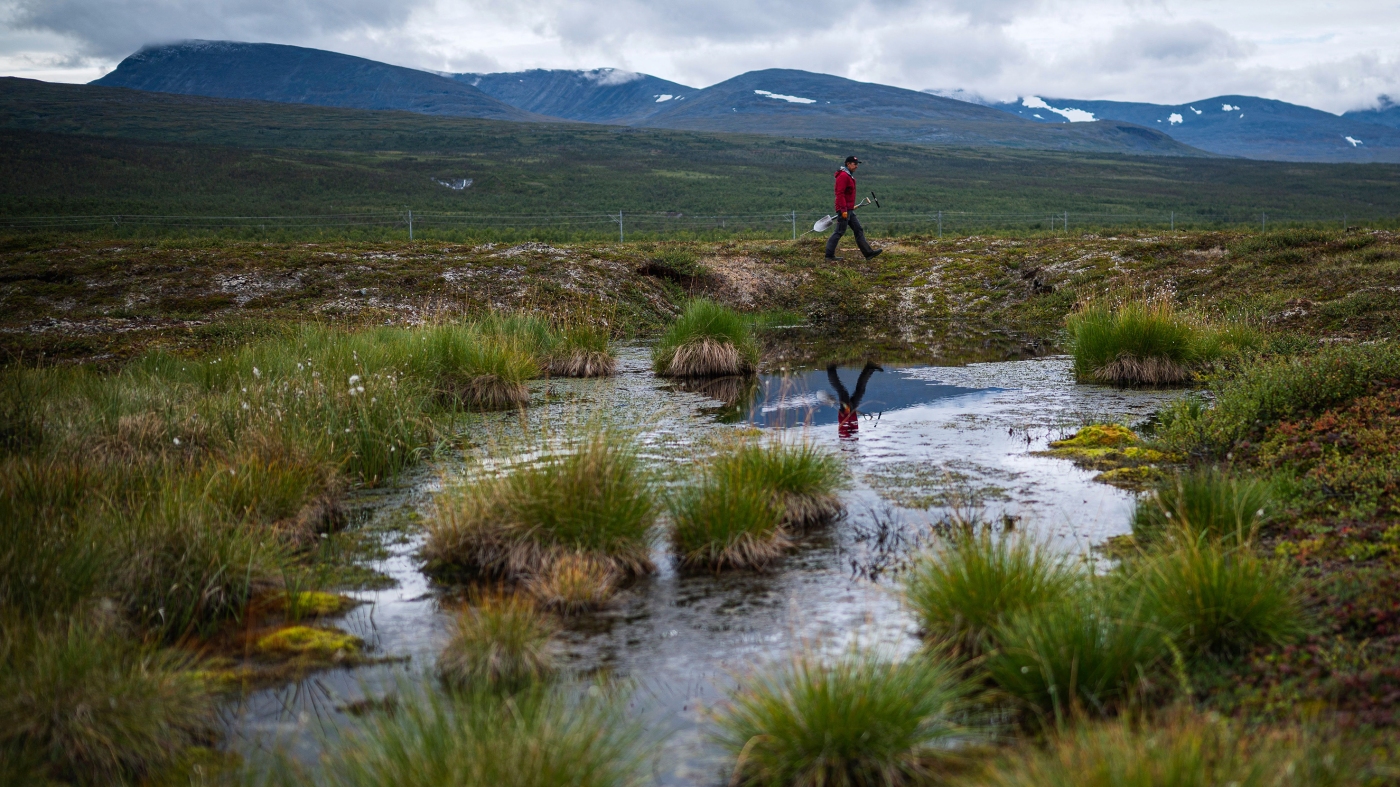
Earth's Climate Tipping Points: A Dire Warning

The ambitious goal of limiting global warming to 1.5 degrees Celsius, established eight years ago, is now deemed unattainable by scientists. Current policies are insufficient, with projections indicating a potential overshoot of this critical threshold, possibly within the next decade.

Exceeding this warming limit could trigger severe, self-reinforcing climate tipping points. These include the potential extinction of 99% of coral reefs, the accelerated collapse of Greenland and West Antarctic ice sheets leading to significant sea-level rise, and the thawing of Arctic permafrost releasing vast amounts of trapped greenhouse gases.

Scientists emphasize that while the 1.5°C goal may be temporarily breached, drastic action is still crucial. Halving global greenhouse gas emissions by 2035 could guide temperatures back down. Every tenth of a degree of warming avoided significantly reduces the likelihood of these devastating and long-lasting changes.


Disclaimer: This story has been auto-aggregated and auto-summarised by a computer program. This story has not been edited or created by the Feedzop team.
Climate tipping points are critical thresholds that, once crossed, can trigger large-scale, self-reinforcing changes in the Earth's climate system, such as ice sheet collapse or coral reef extinction.
Ice sheets in Greenland and West Antarctica are melting rapidly, with research suggesting the West Antarctic ice sheet's collapse may already be underway.
Thawing permafrost releases trapped greenhouse gases like methane and carbon dioxide, creating a feedback loop that accelerates global warming.

Read more news on

Environmentside-arrow

You may also like

1.5C Climate Threshold: A Matter of Survival for Islands

12 Dec • 10 reads

article image

Half of Caribbean Coral Gone Since 1980

9 Dec • 59 reads

article image

Record Seaweed Blob Explodes, Another Vanishes!

4 Dec • 62 reads

article image

Underwater Storms Accelerate Antarctic Ice Melt

24 Nov • 88 reads

article image

Doomsday Predictions Become Reality: 15 Alarming Trends Shaking the World

15 Nov • 147 reads

article image