Home / Environment / Climate Chaos: Overshooting 1.5°C Locks In Damage
Climate Chaos: Overshooting 1.5°C Locks In Damage
21 Oct
Summary
- The world is nearing 1.5°C warming, with a new plan to cool after exceeding the target.
- Some climate impacts, like Thwaites glacier melt, are irreversible even with immediate action.
- Dedicating efforts to cut emissions remains crucial despite locked-in climate damage.
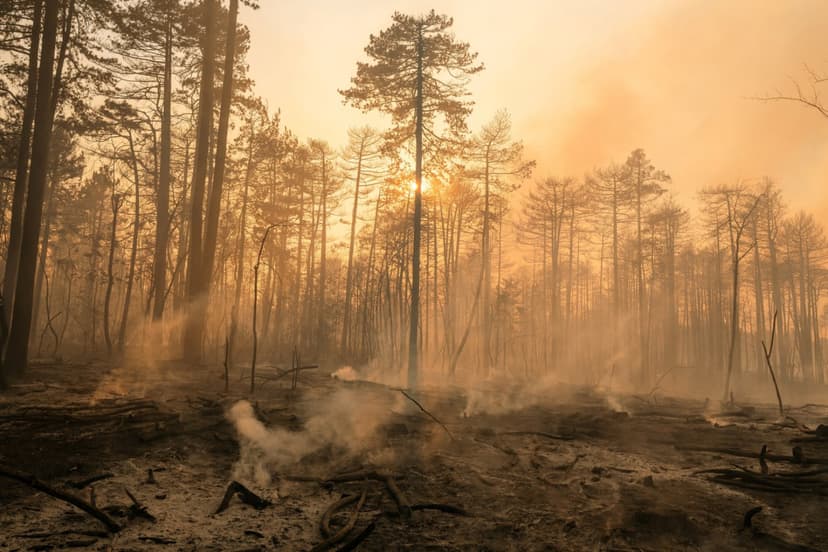
As the global temperature inches closer to a 1.5°C rise above pre-industrial levels, a new strategy has emerged: overshoot the target and then cool the planet by 2100. This "overshoot, peak, decline" approach acknowledges the difficulty of meeting the original goal.
While some natural carbon sinks, such as the Amazon rainforest, demonstrate resilience to short-term climate shocks and vital ocean currents like the AMOC might be resuscitated, not all impacts are recoverable. Scientists are working to understand the full extent of lasting damage.
Certain climate consequences are now considered locked in. The Thwaites glacier in Antarctica, for instance, appears irrevocably lost due to ocean-driven melting, guaranteeing substantial future sea-level rise. This situation highlights the irreversible nature of some climate impacts.
However, this does not signal a time for despair. The scientific consensus is clear: even after surpassing the 1.5°C threshold, efforts to reduce carbon emissions must be intensified. Successfully delivering global cooling will not erase all consequences; humanity will bear the marks of these overshoot years.


