Home / Environment / Ski Resorts Face Snow Crisis as Climate Heats Up
Ski Resorts Face Snow Crisis as Climate Heats Up
4 Jan
Summary
- Climate change threatens Europe's ski industry due to rising temperatures.
- Artificial snow is costly and environmentally impactful, raising ski pass prices.
- Without climate action, many Winter Olympics host locations will become unsuitable.
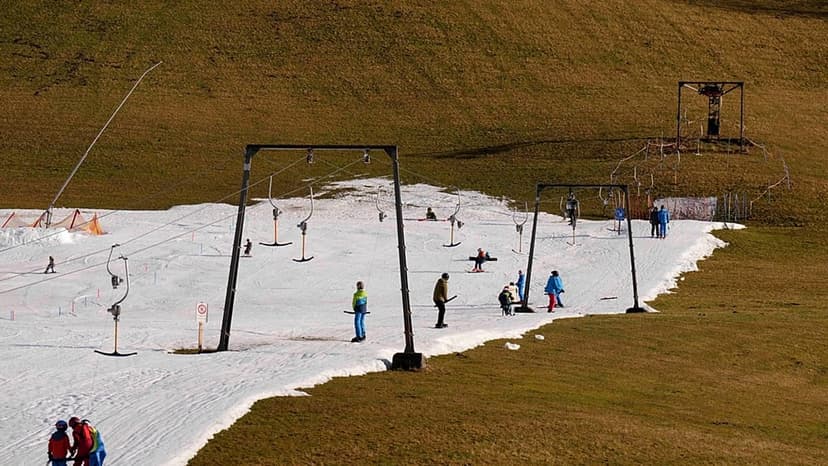
Europe's cherished winter sports industry faces an existential threat from escalating global temperatures and diminishing snow cover. Resorts are increasingly dependent on artificial snow, a costly and resource-intensive solution that raises operational expenses and ski pass prices. This situation makes snow sports less accessible and poses a significant challenge to the long-term viability of mountain economies.
The International Olympic Committee acknowledges the severe impact of global warming on winter sports. Projections indicate that without drastic climate action, many past Winter Olympic host locations will become unsuitable for future games by mid-century. Even adhering to the Paris Agreement limits global warming to 2°C, only a reduced number of historical venues would remain viable.
The European winter tourism sector, valued at approximately €180 billion in 2022, is heavily concentrated in the Alps. Countries like Germany, Italy, and France, with hundreds of ski resorts, are particularly vulnerable. Studies predict a substantial percentage of European ski resorts are at high risk of insufficient snow, necessitating a fundamental re-evaluation of business models to adapt to a warming climate.