

Home / Environment / Climate Change Stresses Green Energy's Limits
Climate Change Stresses Green Energy's Limits
19 Apr
Summary
- Extreme heat reduces solar panel efficiency, impacting energy output.
- Strong winds can force wind turbines to shut down, increasing gas reliance.
- Low snowpack and changing precipitation affect hydropower generation.
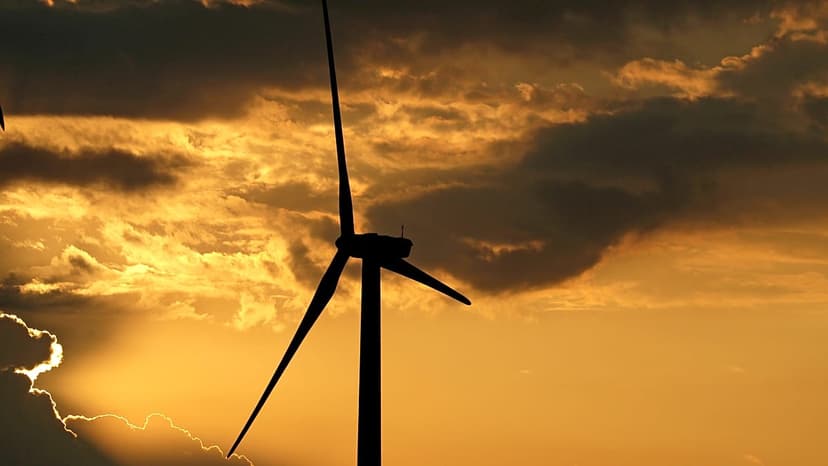
Europe's reliance on fossil fuels has spurred a surge in renewable energy adoption, but the very climate change these technologies aim to mitigate presents significant operational challenges. As global temperatures rise, weather extremes intensify, impacting the reliability of green energy systems. This has created a critical need for more resilient renewable infrastructure.
Solar power efficiency decreases with rising temperatures; for every degree above 25°C, photovoltaic cells lose efficiency. Intense heatwaves have caused significant output dips in solar farms, precisely when demand for cooling is highest, leading to a nearly 20% drop in theoretical capacity during peak heat.
Wind energy generation faces different issues. While blustery conditions are ideal, excessively strong winds can lead to turbines being shut down to prevent damage, a process known as curtailment. This has cost billions across Britain and Germany, as gas plants are paid to compensate for the shortfall.
Hydropower, a key renewable source in regions like Norway, is also affected. Warm, dry winters have led to record-low snow reserves, creating substantial energy deficits. Shifting precipitation patterns, with more rain and less snow, further contribute to the variability of hydropower output.
These renewable energy challenges are compounded by insufficient grid capacity across Europe. Over 120 gigawatts of anticipated green projects are at risk due to grid constraints, potentially delaying millions of household rooftop solar installations. Significant investments are needed to overhaul the continent's electricity grid infrastructure.
