Home / Environment / Climate Fuels Aviation Hazards: Icing, Turbulence Get Worse
Climate Fuels Aviation Hazards: Icing, Turbulence Get Worse
24 Nov
Summary
- Climate change increases severe clear-air turbulence by 55% over the North Atlantic.
- A warmer planet does not automatically mean less aircraft icing.
- Extreme heat can make planes harder to lift off, requiring flight adjustments.
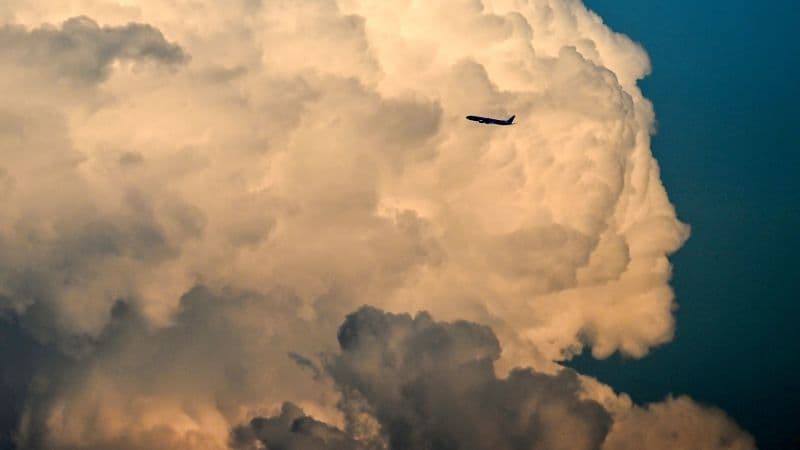
Aviation is confronting increasingly severe weather hazards exacerbated by climate change, including turbulence and icing.
Severe clear-air turbulence has risen 55% over the North Atlantic since 1979. Scientists predict this could triple in coming decades, making flights more unpredictable. El Niño events also contribute to increased wind shear and turbulence.
Aircraft icing, caused by supercooled water droplets, can reduce lift and increase drag. While research is ongoing, climate change may alter the frequency, altitude, and severity of icing events.
Extreme heat is another hazard, as warmer, less dense air makes it harder for planes to generate lift, sometimes leading to flight cancellations or passenger deplaning.
Technological advancements in forecasting, such as machine learning systems and updated NOAA models, aim to improve predictions of turbulence and icing. However, keeping pace with rapidly evolving climate-driven weather patterns remains a significant challenge for aviation safety.


