Home / Environment / How Dead Birds Exposed a Pesticide Danger
How Dead Birds Exposed a Pesticide Danger
26 Aug
Summary
- Pesticides built up in the food chain, harming birds.
- Water tests alone couldn't reveal the full danger.
- Clear Lake events influenced pesticide regulation changes.
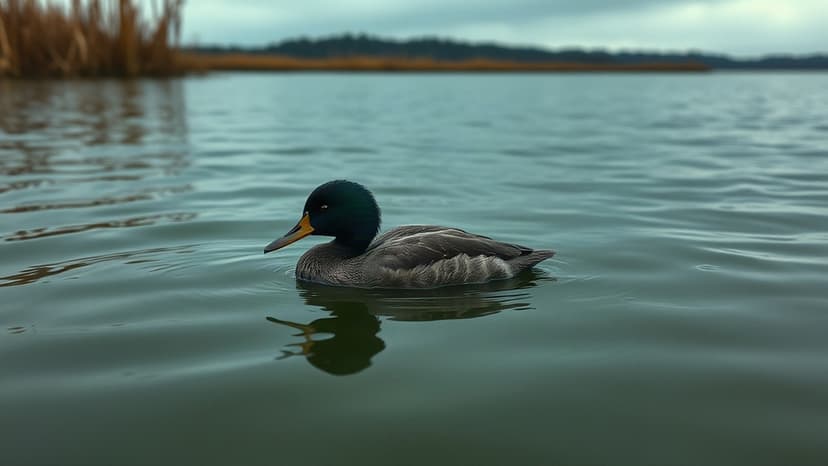
In Northern California, Clear Lake became the site of a significant environmental discovery decades ago. Following widespread gnat infestations, officials applied a chemical called DDD in 1949, 1954, and 1957, believing it would be safe for fish. However, DDD did not dissipate as expected. It persisted, accumulating in the tissues of aquatic life and moving up the food chain.
Plankton absorbed DDD, which was then consumed by small fish, and subsequently by larger fish. This process of biomagnification concentrated the chemical to dangerous levels. Grebes, which relied heavily on these fish, ingested thousands of times the concentration found in the lake water. This led to mass mortality events and reproductive failures among the bird population during the 1950s.
The discoveries at Clear Lake were pivotal. They demonstrated that water sample tests alone were insufficient to gauge a chemical's true environmental risk. This realization fundamentally changed regulatory approaches to pesticides, highlighting the critical need to consider food web accumulation. These findings contributed to the eventual ban of DDD and similar organochlorine pesticides by the 1970s.
The legacy of Clear Lake's chemical crisis extends beyond the chemical DDD itself. It informed public awareness, notably through Rachel Carson's "Silent Spring." The events underscored a vital lesson: the danger of a chemical can be vastly different from what simple water analyses suggest, emphasizing the interconnectedness of ecosystems.


