Home / Environment / City Air Gets Cleaner: Lungs of Children Improve Dramatically
City Air Gets Cleaner: Lungs of Children Improve Dramatically
28 Aug
Summary
- Air pollution linked to millions of premature deaths annually.
- London children showed improved lung capacity after Ulez.
- Clean air initiatives face opposition but yield voter rewards.
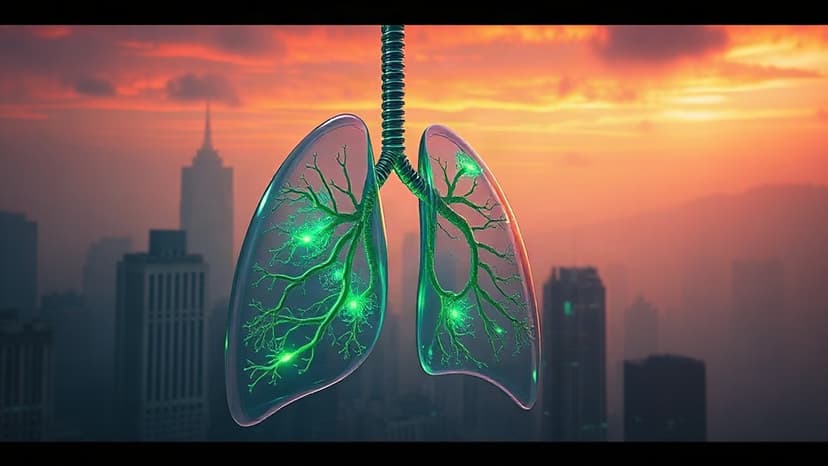
Air pollution poses a significant global health threat, contributing to millions of premature deaths each year and affecting nearly every part of the human body. While the extent of its impact is well-documented, global efforts to mitigate it lag behind. Cities worldwide are demonstrating that solutions are possible.
Paris has become a cycling hub, halving PM2.5 and nitrogen dioxide levels. Barcelona has expanded its bike lanes and introduced "superblocks" that restrict vehicle traffic. China has met pollution reduction targets in key cities, and developing nations like Mexico, Colombia, and Kenya are also making positive strides in air quality improvement.
London has seen notable health benefits, with children exhibiting improved lung capacity following the implementation of its Ultra Low Emission Zone (Ulez). Introduced in 2019 and expanded since, Ulez charges higher-polluting vehicles, significantly reducing nitrogen dioxide levels.
While observational studies suggest a strong correlation between Ulez and faster lung growth in children, comprehensive solutions require coordinated efforts from governments, businesses, and citizens. Despite facing opposition, clean air measures have shown to be politically rewarding, as seen with Paris and Barcelona's mayors being re-elected after implementing such policies.
The fight against air pollution extends beyond outdoor environments, with indoor air pollution also causing millions of deaths annually, particularly in developing countries. Initiatives promoting clean cooking and a transition to cleaner energy sources, including electricity over gas stoves, are crucial for public health.


