Home / Environment / Ships Go Green: LNG Fuels Cleaner Seas Ahead
Ships Go Green: LNG Fuels Cleaner Seas Ahead
22 Dec, 2025
Summary
- Ports in Seattle and Tacoma are adopting a clean air strategy.
- LNG is the current favored alternative fuel despite environmental concerns.
- RNG is proposed as a more climate-friendly alternative to LNG.
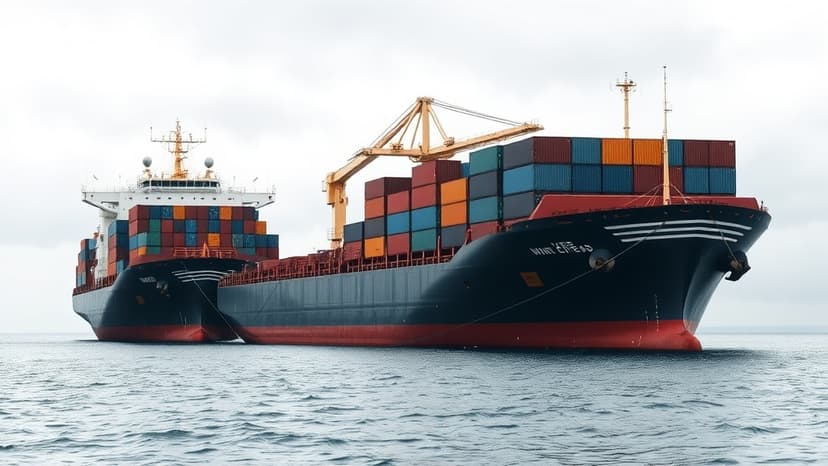
Pacific Northwest seaports are moving forward with clean air initiatives to reduce pollution from marine shipping. Seattle and Tacoma have approved a joint five-year clean air strategy, complementing efforts by the Vancouver Fraser Port Authority. Big cargo vessels are identified as the largest source of port-related air pollution, with the global shipping industry being a significant greenhouse gas emitter.
The transition to cleaner fuels for ocean-going vessels presents challenges. While ports are exploring options like shore power and electrifying dock equipment, the choice of alternative fuels is debated. Liquefied Natural Gas (LNG) is gaining traction due to its current availability and cost-competitiveness, with many new ships ordered featuring dual-fuel engines capable of running on LNG.
However, environmental groups highlight concerns about methane leakage from LNG's lifecycle, questioning its climate benefits. As a response, Seattle and Tacoma's air plan keeps LNG as an option for ocean-going vessels, acknowledging its growing global use. Commissioner Fred Felleman proposes Renewable Natural Gas (RNG) as a more climate-neutral alternative to conventional LNG.