Home / Environment / Citizen Scientists Fight Plastic Tide in Aussie Waterways
Citizen Scientists Fight Plastic Tide in Aussie Waterways
30 Jan
Summary
- Citizen scientists collect plastic turf fragments from Melbourne waterways.
- Beach clean-ups reveal severe plastic pollution, including ghost nets.
- Over 10,000 people engage in Australia's largest microplastic assessment project.
Citizen scientists across Australia are stepping up to address the escalating problem of plastic pollution. In Melbourne, individuals are collecting synthetic turf fragments from local waterways, quantifying the waste to inform local councils and environmental authorities. This initiative, supported by community science labs, turns personal observation into tangible evidence.
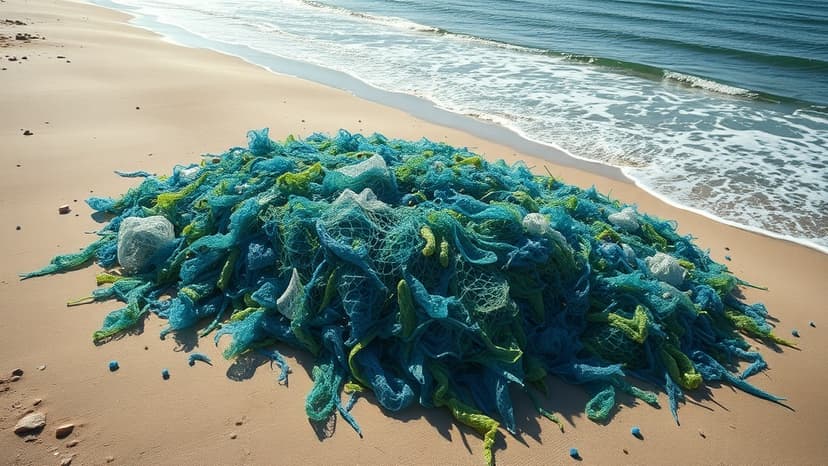
Further north, remote beaches in Arnhem Land are sites of critical clean-up operations. Collaborating with Indigenous rangers, campaigns are removing extensive plastic waste, including harmful ghost nets, from culturally significant turtle nesting areas. This direct action provides vital data for national research projects on marine debris.
These grassroots efforts are crucial as national projects like the Australian Microplastics Assessment Project (Ausmap) engage over 10,000 participants. Ausmap has identified more than 60 plastic pollution hotspots nationwide. Such initiatives demonstrate citizen engagement in tackling environmental challenges where regulatory measures have fallen short, turning individual concern into collective action.