Home / Environment / Sun, Moon, Insects: How India's Tribe Survives
Sun, Moon, Insects: How India's Tribe Survives
18 Dec, 2025
Summary
- The Cholanaikkans live in Kerala's Nilambur forest.
- They rely on natural cues like the sun and insects for timekeeping.
- This isolated tribe speaks a unique language and is dwindling.
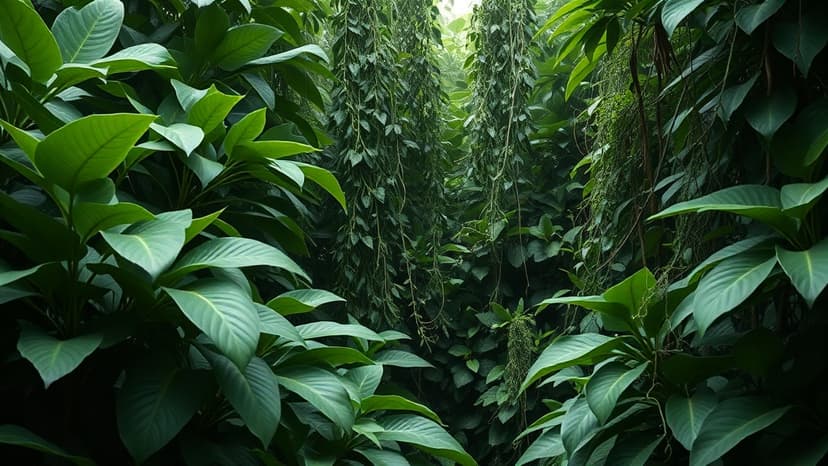
Nestled within Kerala's Nilambur forest, the Cholanaikkan tribe represents one of India's most secluded and smallest indigenous groups. Their existence is deeply intertwined with the natural world, relying on the sun, moon, insects, and wind to mark the passage of time. This unique lifestyle means they live without conventional calendars or clocks, embracing a temporal awareness dictated solely by the forest's rhythms.
The Cholanaikkans possess a language unique to their community, further highlighting their distinct cultural heritage. However, their numbers are critically low, with only a few hundred individuals remaining. Strict regulations limit access to their ancestral lands, preserving their world but also contributing to its isolation and gradual disappearance. Their way of life, governed by nature's cues rather than measured by artificial means, is a rare phenomenon.
This documentary offers a scarce opportunity to witness a community that thrives by attuning itself to the environment rather than imposing external structures. Their existence is a poignant reminder of ancient traditions and the delicate balance of isolated cultures in the face of a rapidly changing world, underscoring the urgency of understanding and preserving such unique ways of life.