Home / Environment / China's 'Sponge Cities' May Breed Mosquitoes
China's 'Sponge Cities' May Breed Mosquitoes
10 Apr
Summary
- Sponge city design lacks mosquito vector safety standards.
- Standing water in infrastructure poses disease transmission risk.
- Experts call for integration of entomological indicators.
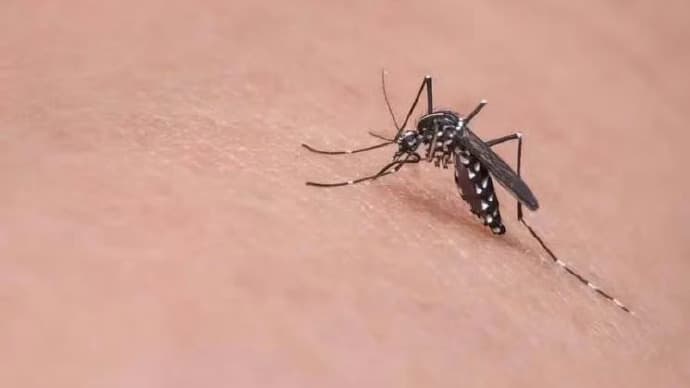
China's "sponge city" initiative, aimed at improving flood resilience, is facing scrutiny for potentially fostering disease-carrying mosquitoes. While the hydrological aspects of the infrastructure are well-managed, a critical oversight exists in national standards regarding vector safety. These standards fail to mandate adequate dry-down times for standing water, crucial for preventing mosquito larvae development.
The issue is exacerbated by warming temperatures and increased rainfall, expanding the breeding ranges and active seasons of mosquitoes like Aedes albopictus. Recent chikungunya outbreaks in Guangdong province, particularly in Foshan, have underscored the escalating risk of localized epidemics. Experts warn that shorter winters may prevent natural population resets, allowing outbreaks to persist year-round.
To address this, experts advocate for a governance overhaul integrating entomological indicators into all stages of infrastructure development and maintenance. This includes updating civil engineering codes and ensuring clear responsibilities across housing, water resource, and health agencies. Vector-proofing measures are needed for various sponge city assets, ensuring they serve as flood buffers without becoming mosquito nurseries.


