Home / Environment / China's Green Push Alters Water Cycle Unforeseen
China's Green Push Alters Water Cycle Unforeseen
4 Dec, 2025
Summary
- Vegetation changes reduced freshwater availability in eastern and northwestern China.
- Water availability increased in China's Tibetan Plateau region due to regreening.
- China's extensive tree planting has redistributed water, impacting regional availability.
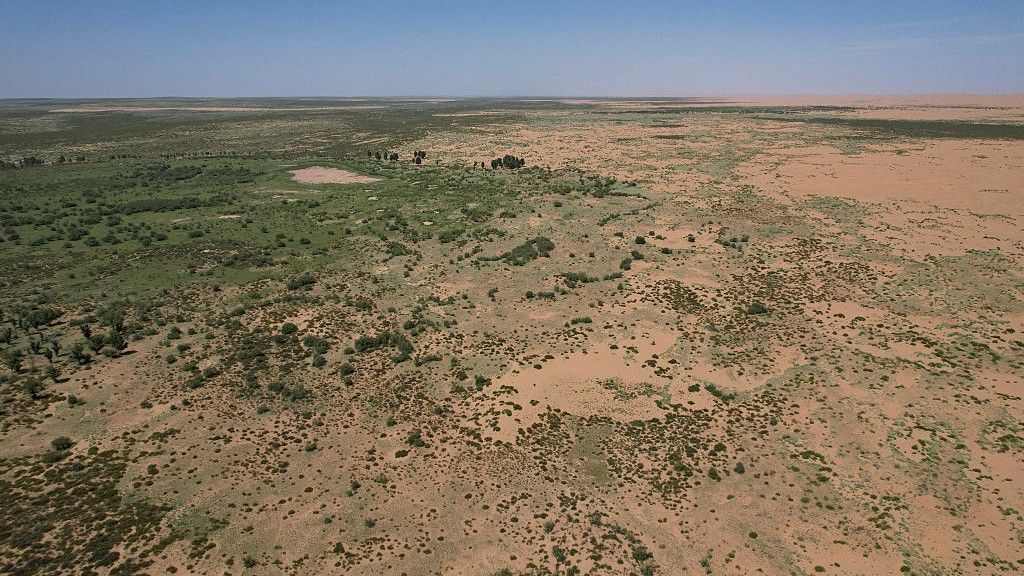
Massive regreening initiatives across China, including the Great Green Wall, Grain for Green Program, and Natural Forest Protection Program, have profoundly reshaped the country's water cycle. While successful in increasing vegetation cover by 25% globally, these efforts have led to significant water redistribution. Evapotranspiration has increased, drawing more water into the atmosphere, but precipitation has not matched this increase in all regions.
The eastern monsoon and northwestern arid zones have experienced a decrease in available freshwater, despite overall increased vegetation. Conversely, the Tibetan Plateau has seen a rise in water availability. This geographical shift in water resources presents a critical challenge, especially given the existing water scarcity in northern China, which holds a substantial portion of the population and arable land.