Home / Environment / Chile Forests Flow: Rural Water Crisis Solved
Chile Forests Flow: Rural Water Crisis Solved
23 Jul
Summary
- Forest restoration ended long-term water scarcity for a rural Chilean community.
- A community-managed system now provides a reliable water supply year-round.
- A practical guide shares the watershed protection approach for other communities.
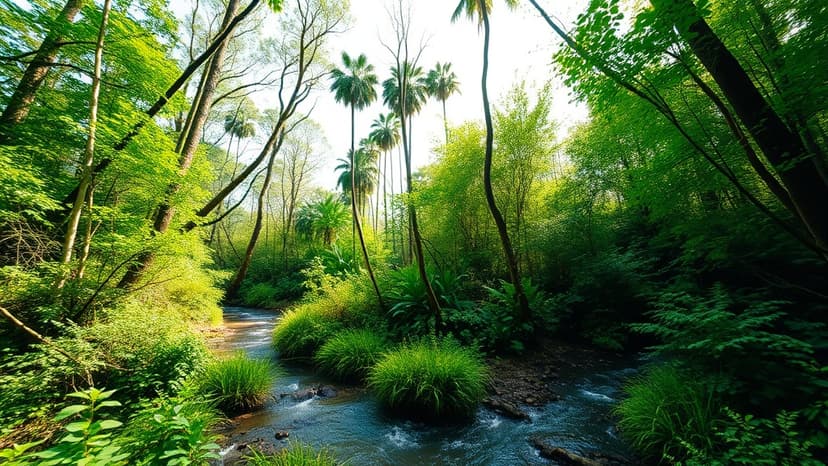
A rural community on Chile's Chiloe Island has successfully ended its reliance on water tanker trucks through forest restoration and the creation of a community-managed water system. This initiative, developed over several years by local residents, researchers, and landowners, prioritized improving the health of the land that supplies water.
Approximately seven years after its implementation, the system continues to provide a dependable water supply. The project's methodology, emphasizing watershed protection before infrastructure development, has been compiled into a practical guide for other communities experiencing water scarcity. This approach, though adaptable, offers a valuable blueprint.
Chile's Chiloe Island, known for heavy rainfall, historically faced seasonal water shortages due to rainfall patterns. The Catruman community, for instance, suffered during dry seasons when streams would stop flowing for up to four months. Before the project, a significant portion of households depended on emergency water deliveries, receiving minimal amounts daily.
To address this, the community focused on revitalizing its entire watershed. Residents worked with scientists to map microcatchments and protect a vital year-round stream. Over 500 native trees were planted, and infiltration trenches were dug to enhance soil moisture retention and groundwater recharge.
Following the watershed improvements, a gravity-fed water network was established, comprising an intake, filters, and a storage system. This system, requiring no electric pumps, significantly reduces costs and maintenance, making it sustainable for a rural setting. The restored stream now provides ample water for the community's needs while supporting the local ecosystem.
Furthermore, the project addressed water quality by constructing a wetland to treat household wastewater, preventing pollution of the community's water source. This highlights the dual importance of water quantity and quality for a sustainable supply.
Community members actively participated in construction through traditional 'mingas' (collective work gatherings) and received training for system maintenance. A local organization was formed to manage operations, fees, and liaise with external entities, ensuring the long-term success of the water system.


