Home / Environment / Blue Crab Crisis: Chesapeake Bay Population Plummets
Blue Crab Crisis: Chesapeake Bay Population Plummets
15 Jul
Summary
- Chesapeake Bay blue crab population has fallen from 1.3 billion to 825 million.
- Habitat loss and invasive blue catfish contribute to crab decline.
- Commercial crabbing industries face uncertainty due to dwindling populations.
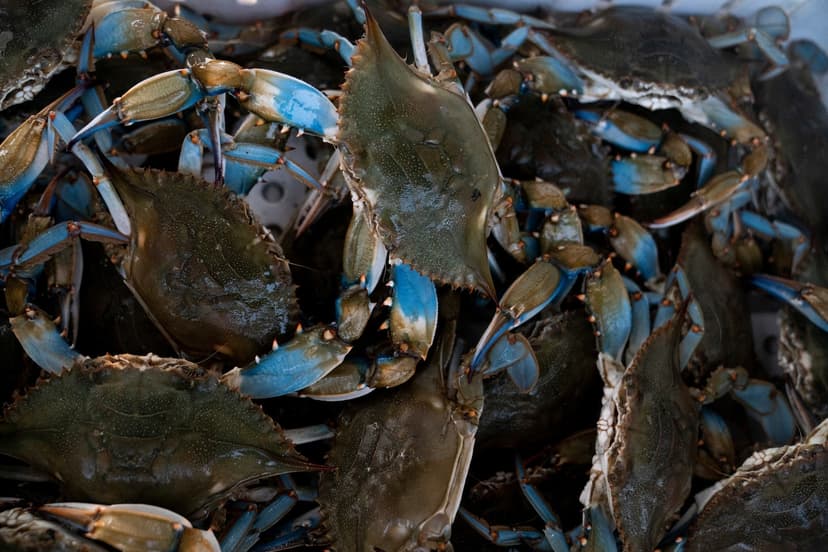
A new report reveals a significant and concerning long-term decline in the Chesapeake Bay's blue crab population. The overall number of blue crabs has dropped from an estimated 1.3 billion in 2011 to approximately 825 million in 2023.
Scientists are investigating various factors contributing to this sharp decrease, including habitat loss, particularly the reduction of underwater grasses vital for young crabs. Other potential causes include changing environmental conditions like currents, winds, storms, pollution, and the expansion of low-oxygen "dead zones."
The invasive blue catfish has also been identified as a predator, responsible for an estimated 8% reduction in the juvenile crab population in 2023. Furthermore, a consistent decline in mature female crabs over the past decade, possibly due to competition with blue catfish for food, is also a major concern.
This population drop threatens the ecological balance of the bay, as blue crabs are a crucial food source for various species and play a vital role in the food web. The commercial crabbing industries in Maryland and Virginia, which generate between $50 million and $80 million annually, also face significant uncertainty due to these trends.


