
Home / Environment / Giant Under Climate Threat: Rechalking Adapts to Heat
Giant Under Climate Threat: Rechalking Adapts to Heat
28 May
Summary
- Warming climate causes algae growth, dulling the giant's outline.
- Rechalking frequency may increase due to climate change impacts.
- New chalk paste technique adopted to counter steep terrain and heat.
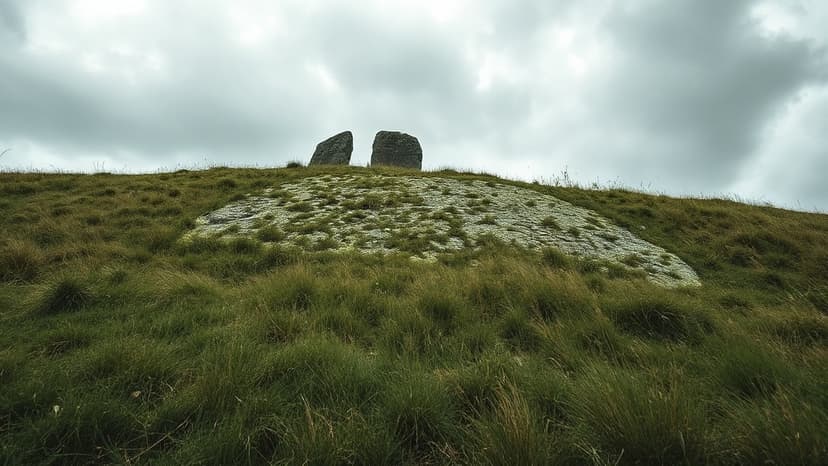
Volunteers have converged on Dorset's countryside to restore the iconic Cerne Giant, adapting traditional methods to combat the effects of a warming climate. For centuries, the giant's chalk outline has been maintained approximately every seven to ten years. However, recent observations indicate that warmer, wetter conditions are encouraging algae growth, dulling the figure's brightness.
Increased rainfall intensity is also contributing to erosion, prompting discussions about more frequent rechalking. This year's restoration involves a new technique: mixing 17 tonnes of chalk with water to create a paste that adheres better to the steep hillside than dry chalk. Workers are also implementing measures to mitigate the effects of extreme heat, including breaks under gazebos and cancelled afternoon shifts.
The National Trust, which owns the site, recently acquired more land around the giant, supported by a successful nationwide fundraising appeal that drew donations from across the UK and internationally. Some donors, including an individual from the Netherlands, have participated in the rechalking effort.
Scientific analysis suggests the giant was likely created in the late Saxon period, between AD700 and AD1100. Despite the challenges posed by the climate, the restoration is a communal effort, with locals, volunteers, and even children from nearby schools participating.
