feedzop-word-mark-logo
searchLogin
Feedzop
homeFor YouIndiaIndia
You
bookmarksYour BookmarkshashtagYour Topics
Trending
trending

Jio Financial Services stock updates

trending

CG Police PET Result 2025

trending

Messi, Suárez in India tour

trending

AI generated viral video warning

trending

Bharatmala E-way, Purvanchal Expressway

trending

UEFA club ownership rules

trending

Telangana shivers as mercury drops

trending

Wasim Akram slams IPL

trending

Meesho IPO lists December 10

Terms of UsePrivacy PolicyAboutJobsPartner With Us

© 2025 Advergame Technologies Pvt. Ltd. ("ATPL"). Gamezop ® & Quizzop ® are registered trademarks of ATPL.

Gamezop is a plug-and-play gaming platform that any app or website can integrate to bring casual gaming for its users. Gamezop also operates Quizzop, a quizzing platform, that digital products can add as a trivia section.

Over 5,000 products from more than 70 countries have integrated Gamezop and Quizzop. These include Amazon, Samsung Internet, Snap, Tata Play, AccuWeather, Paytm, Gulf News, and Branch.

Games and trivia increase user engagement significantly within all kinds of apps and websites, besides opening a new stream of advertising revenue. Gamezop and Quizzop take 30 minutes to integrate and can be used for free: both by the products integrating them and end users

Increase ad revenue and engagement on your app / website with games, quizzes, astrology, and cricket content. Visit: business.gamezop.com

Property Code: 5571

Home / Environment / Half of Caribbean Coral Gone Since 1980

Half of Caribbean Coral Gone Since 1980

9 Dec

•

Summary

  • Caribbean reefs lost 48% of hard coral since 1980.
  • Marine heatwaves caused the most destructive stress recorded.
  • Reef tourism contributes 10% to Caribbean GDP annually.
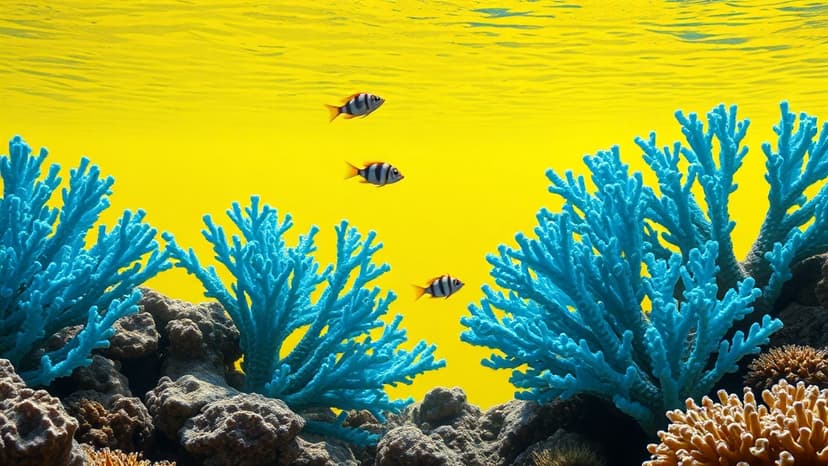
Half of Caribbean Coral Gone Since 1980

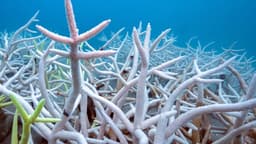
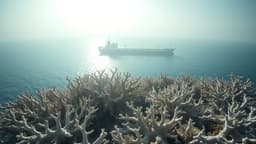
Caribbean reefs have experienced a dramatic reduction in hard coral cover, with a 48% decrease reported since 1980. This alarming trend is largely attributed to climate breakdown, specifically the impact of marine heatwaves. These events disrupt the symbiotic relationship between coral and the microalgae that sustain them, leading to widespread bleaching and coral death.

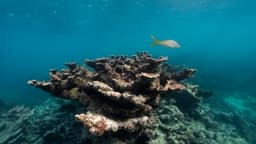
The situation worsened significantly in 2023-24, which saw the most destructive thermal stress ever recorded, causing a substantial year-on-year drop in coral cover. Once vibrant ecosystems supporting diverse marine life, these reefs are now often characterized by bleached, dying coral, drastically altering the underwater landscape and impacting the health of marine species.

Despite the severe decline, there are glimmers of hope. Conservation successes, such as the establishment of a new marine protected area in Mexico's Gulf, demonstrate that reefs can rebound when pressures are reduced and sustained resources are provided. Experts emphasize that addressing climate change and local threats like pollution and overfishing are crucial for the future of Caribbean coral reefs.

Disclaimer: This story has been auto-aggregated and auto-summarised by a computer program. This story has not been edited or created by the Feedzop team.
Caribbean reefs have lost 48% of their hard coral since 1980, primarily due to marine heatwaves caused by climate breakdown.
The 2023-24 period saw the most destructive thermal stress ever recorded, resulting in a significant decrease in coral cover.
Reef tourism is a vital industry, accounting for 10% of the Caribbean's Gross Domestic Product (GDP) annually.

Read more news on

Environmentside-arrowMexicoside-arrow

You may also like

Record Seaweed Blob Explodes, Another Vanishes!

4 Dec • 35 reads

article image

Mexico Coast Shaken by 4.7 Magnitude Quake

3 Dec • 34 reads

article image

Shrimp Sounds Lure Oysters to Clean Toxic Waters

1 Dec • 44 reads

article image

Earth's Climate Tipping Points: A Dire Warning

19 Nov • 131 reads

article image

Tropics Remain Calm as 2025 Atlantic Hurricane Season Wraps Up

8 Nov • 89 reads

article image